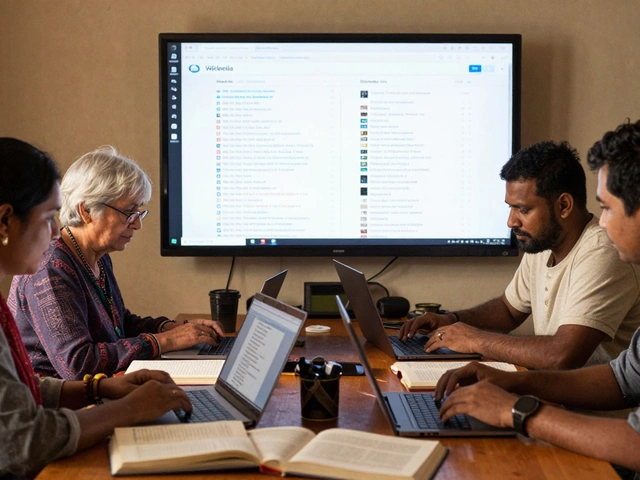
Academic Wikipedia: How Scholars Use and Influence the Encyclopedia
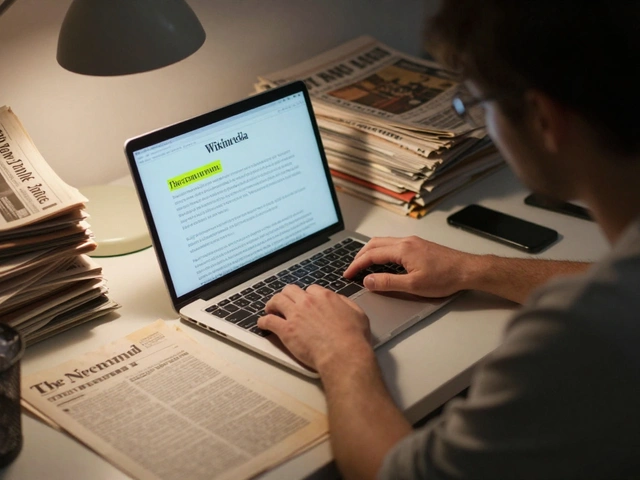
When you think of academic Wikipedia, the version of Wikipedia used by students, researchers, and educators to find and verify information for academic work. Also known as scholarly Wikipedia, it’s not just a shortcut—it’s a tool that’s changing how knowledge is shared in universities and beyond. Unlike textbooks that sit on shelves for years, academic Wikipedia updates in real time. A new study gets published? A historical fact gets reinterpreted? Someone on Wikipedia will find the source, check it, and update the article—often before the journal’s press release drops.
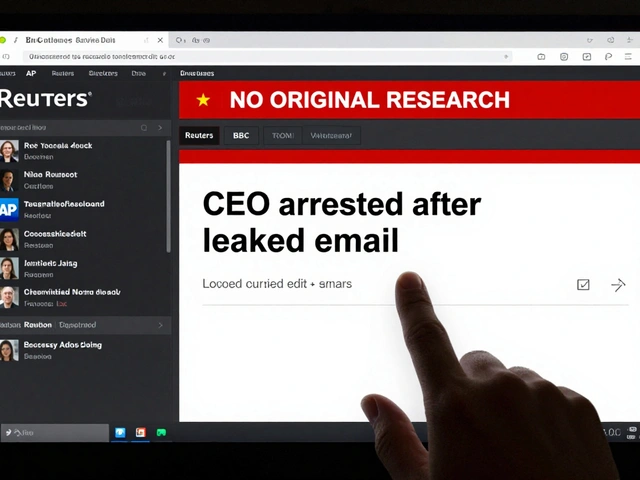
But it’s not just about reading. Wikipedia Library, a free service that gives academics and journalists access to paywalled journals and archives lets researchers use sources they’d normally need a university login for—without even editing a single page. Meanwhile, preprints, early research papers not yet peer-reviewed are banned as sources on Wikipedia because they’re unverified. That’s why academics who edit Wikipedia don’t just cite published papers—they follow strict rules to make sure every claim holds up.
And it’s not just one person doing this. WikiProject tools, systems that help volunteers organize and rate article quality let entire departments collaborate on improving articles in their field. A history professor might lead a class project to upgrade entries on colonial-era treaties. A biology department might fix errors in cancer treatment pages. These aren’t side projects—they’re part of how knowledge gets cleaned up, corrected, and made accessible.
But here’s the catch: when news outlets treat Wikipedia as a primary source, things go wrong. A hoax article about a fake scientist once made it into major newspapers. That’s why Wikipedia citation, the practice of tracing Wikipedia claims back to their original sources is critical—not just for students, but for journalists and professors too. The best academic users don’t stop at Wikipedia. They use it to find the real source, then cite that instead.
What you’ll find in these articles is a clear picture: academic Wikipedia isn’t just a resource—it’s a collaboration. It’s shaped by librarians who train students, by researchers who fix errors, by editors who enforce policy, and by institutions that see value in open knowledge. Whether you’re writing a paper, teaching a class, or just trying to understand how facts get verified online, the stories below show how academic Wikipedia really works—and how you can use it right.
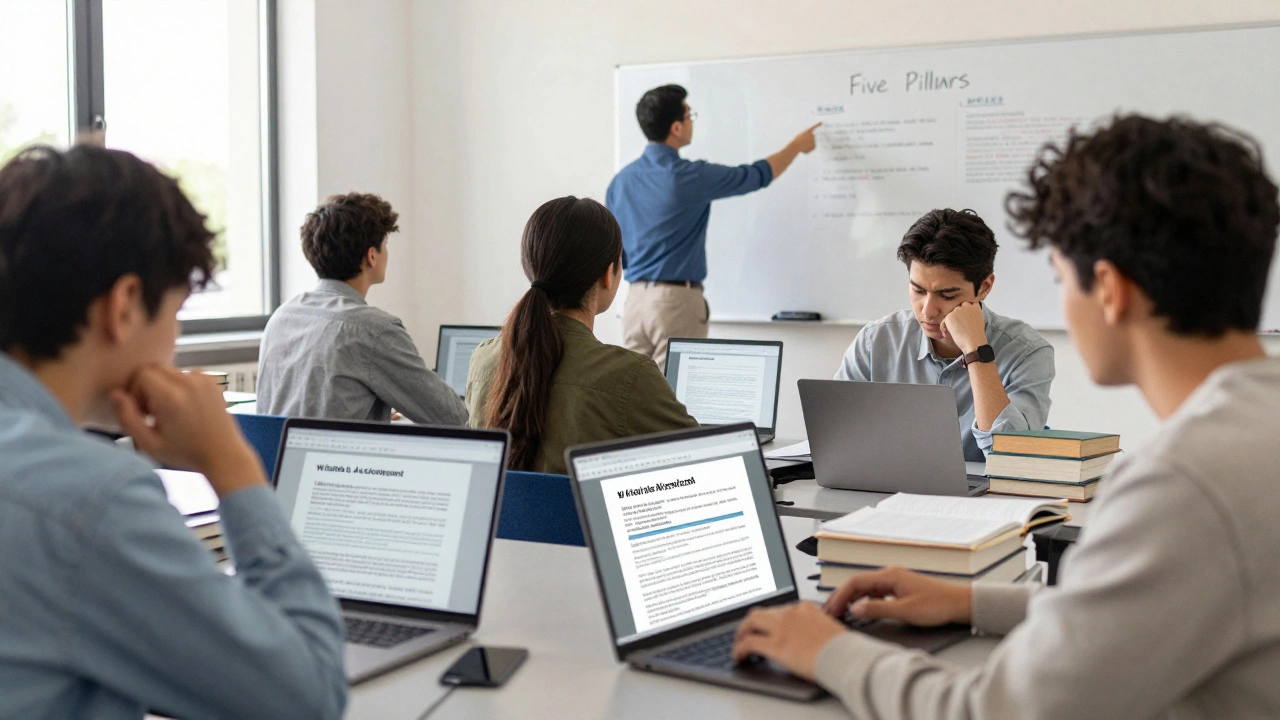
Training Modules for Students Editing Wikipedia: What to Include
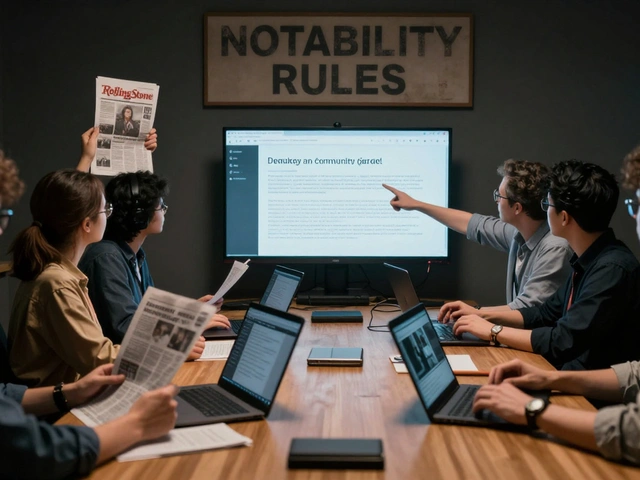
Effective training modules for students editing Wikipedia must teach the Five Pillars, reliable sourcing, notability rules, and conflict navigation-not just editing tools. Real examples and structured practice turn beginners into confident contributors.
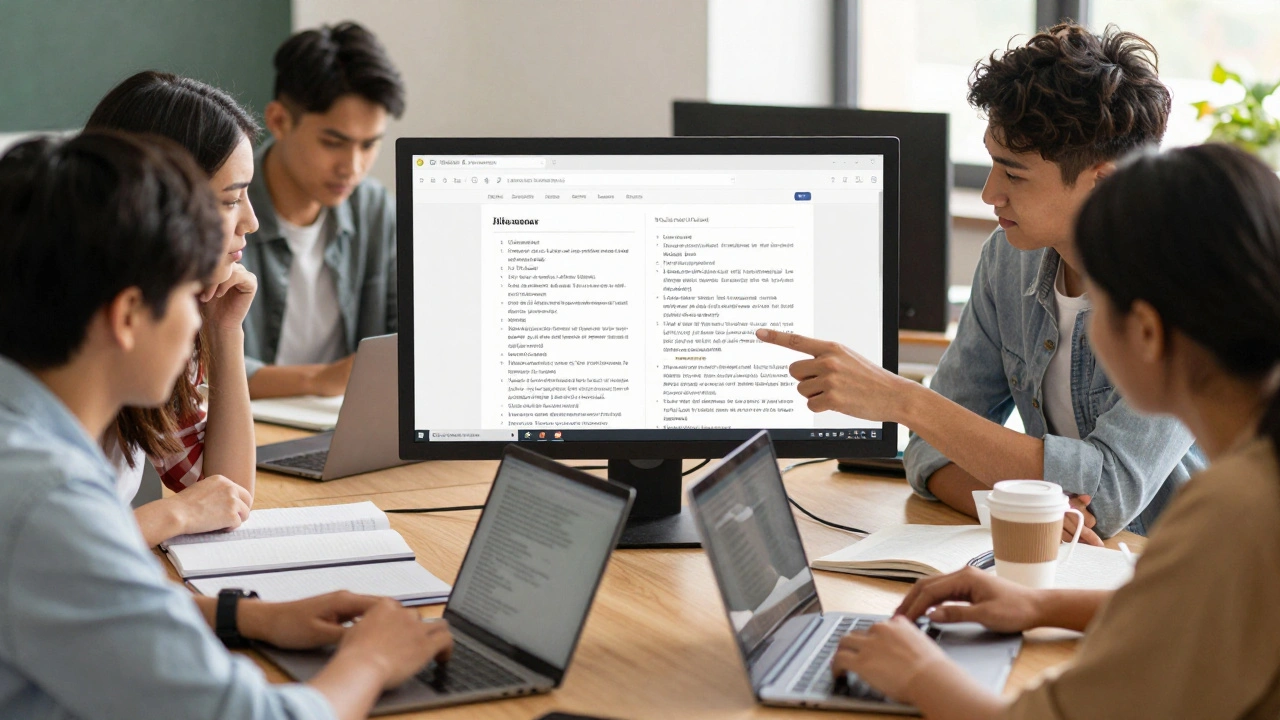
WikiProject Students: Classroom Editing Within Wikipedia Guidelines
WikiProject Students helps educators integrate Wikipedia editing into coursework, teaching research, writing, and digital responsibility. Students improve real articles used by millions, following strict editorial guidelines. The program has led to thousands of lasting, high-quality contributions worldwide.
Bridging Academic and Wikipedia Communities Through Fellowships
Wikipedia fellowships are connecting academics with public knowledge by training scholars to edit and improve articles. These programs are changing who writes on Wikipedia and what knowledge gets shared globally.
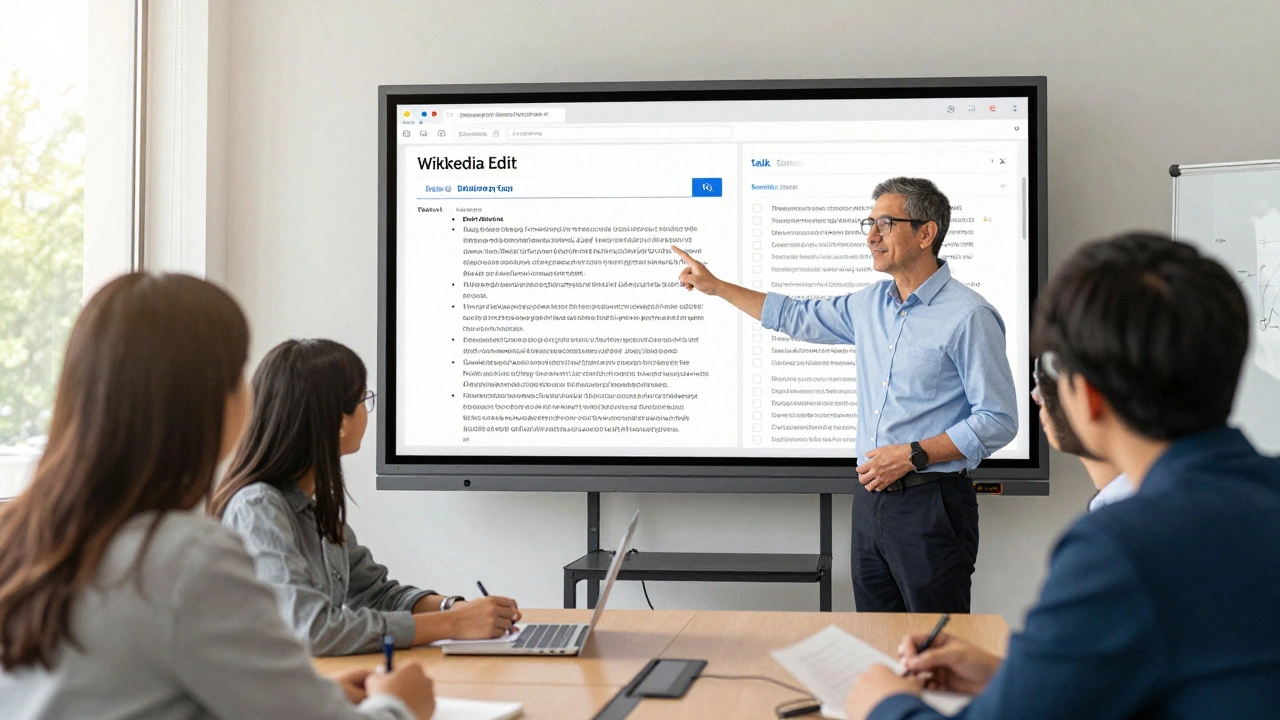
How to Train Faculty to Use Wikipedia in Coursework
Train faculty to use Wikipedia in coursework by turning it into a critical thinking tool. Learn how to teach students to evaluate sources, trace citations, and contribute to real knowledge-not just avoid it.
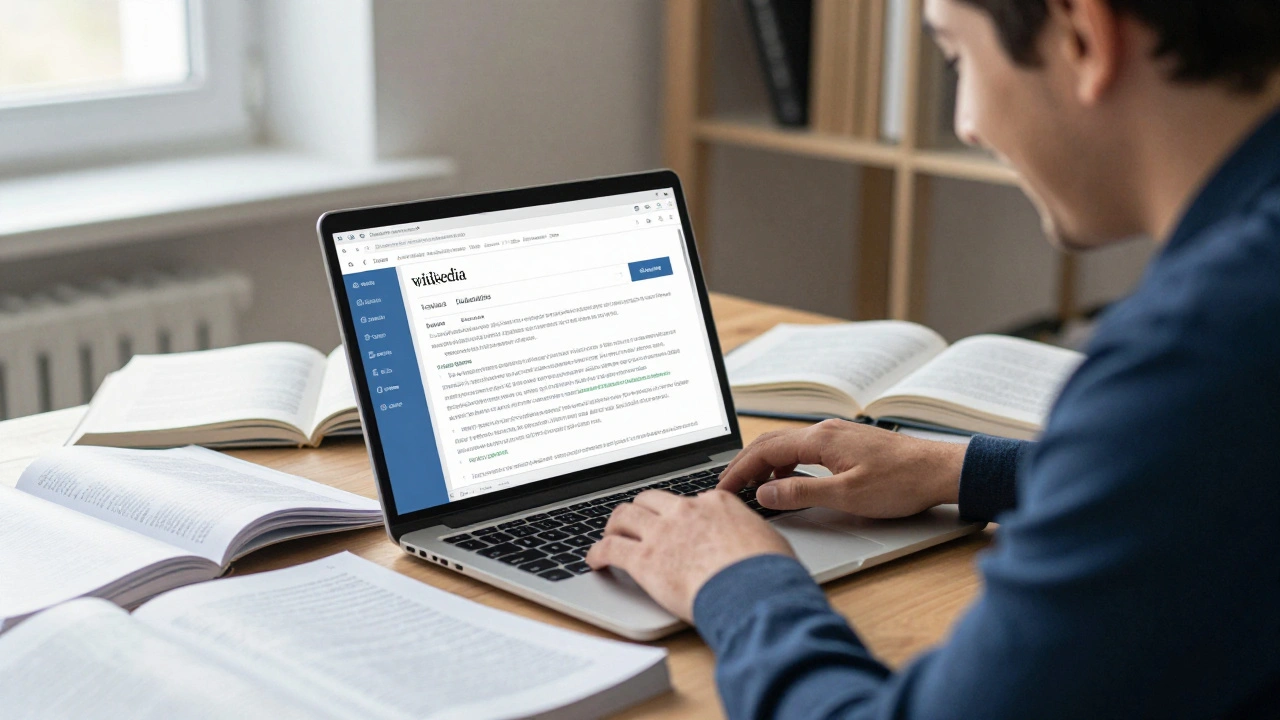
Wikipedia Education Program for Teachers and Professors
The Wikipedia Education Program helps teachers and professors turn student research into real public knowledge. Students improve Wikipedia articles with academic sources, gaining critical skills while contributing to a global resource used by millions.