Editor Retention on Wikipedia: Why Contributors Stay (or Leave)
When we talk about editor retention, the rate at which Wikipedia volunteers keep editing over time. Also known as volunteer retention, it’s the heartbeat of Wikipedia’s survival. Without enough people coming back to fix errors, update facts, and defend against vandalism, the encyclopedia would slowly fall apart. It’s not about how many new editors join—it’s about how many stay.
Wikipedia doesn’t pay its editors. It doesn’t give trophies or titles. What keeps them around? For many, it’s the quiet satisfaction of making knowledge better for millions. But the system has cracks. New editors often get scared off by harsh feedback, confusing rules, or edits being reverted without explanation. Longtime editors burn out from fighting the same vandals, dealing with endless policy debates, or watching their hard work get undone by newcomers who don’t get the rules. The Wikipedia community, the network of volunteers who govern and maintain the encyclopedia is full of people who care deeply—but they’re also exhausted.
Tools like Huggle, a fast vandalism-reversion tool used by experienced editors and edit filters, automated systems that flag suspicious edits before they go live help reduce the noise, but they don’t fix the human side of the problem. The real challenge is making Wikipedia feel welcoming to new contributors without lowering quality. Some projects, like the Wikipedia Education Program, where students edit articles as part of coursework, have shown that structured support works. When someone is guided, not scolded, they’re more likely to stick around.
It’s not just about numbers—it’s about culture. The people who keep editing are the ones who feel seen, heard, and respected. That’s why recent changes to how administrators are elected, how edits are reviewed, and how newcomers are onboarded matter so much. This collection of articles dives into what’s working, what’s broken, and what’s being tried to keep Wikipedia alive by keeping its editors alive. You’ll find stories about tools that help, policies that hurt, and real people who still show up—even when it’s hard.
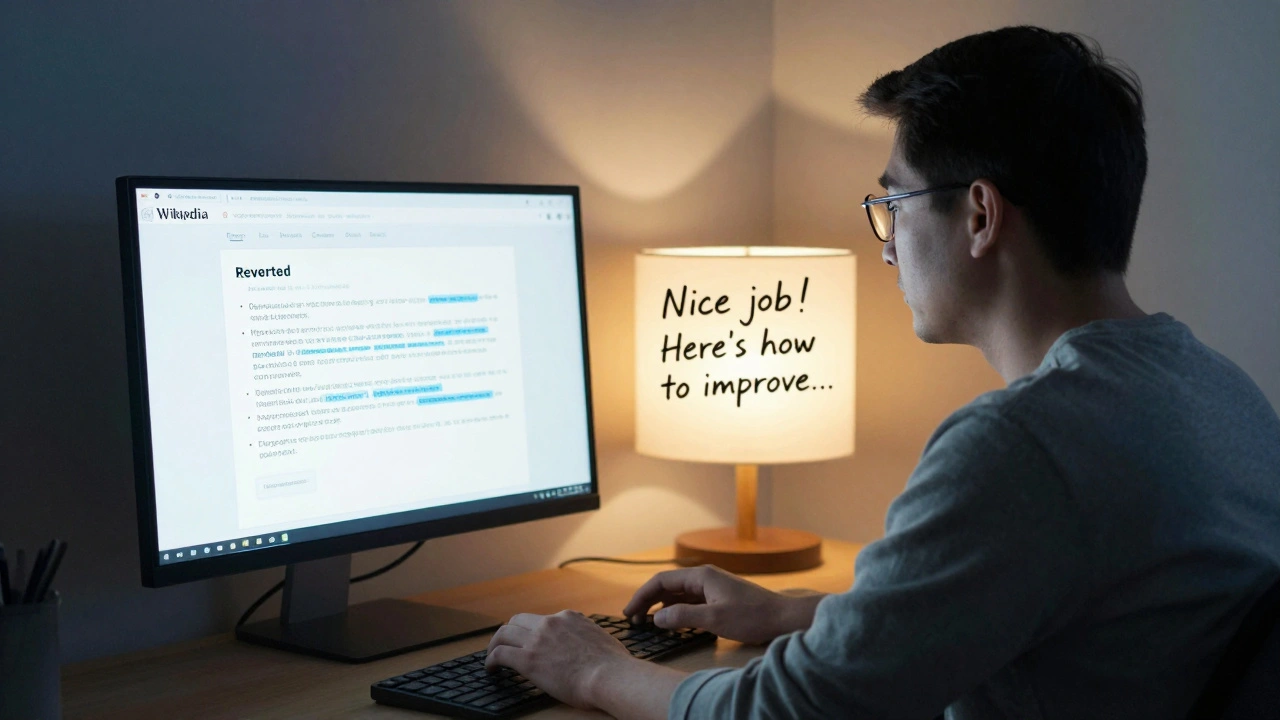
How Mentorship Keeps Wikipedia Editors Coming Back
Mentorship is the hidden force behind Wikipedia’s most loyal editors. Simple, kind feedback turns new contributors into lifelong volunteers-and keeps the encyclopedia alive.
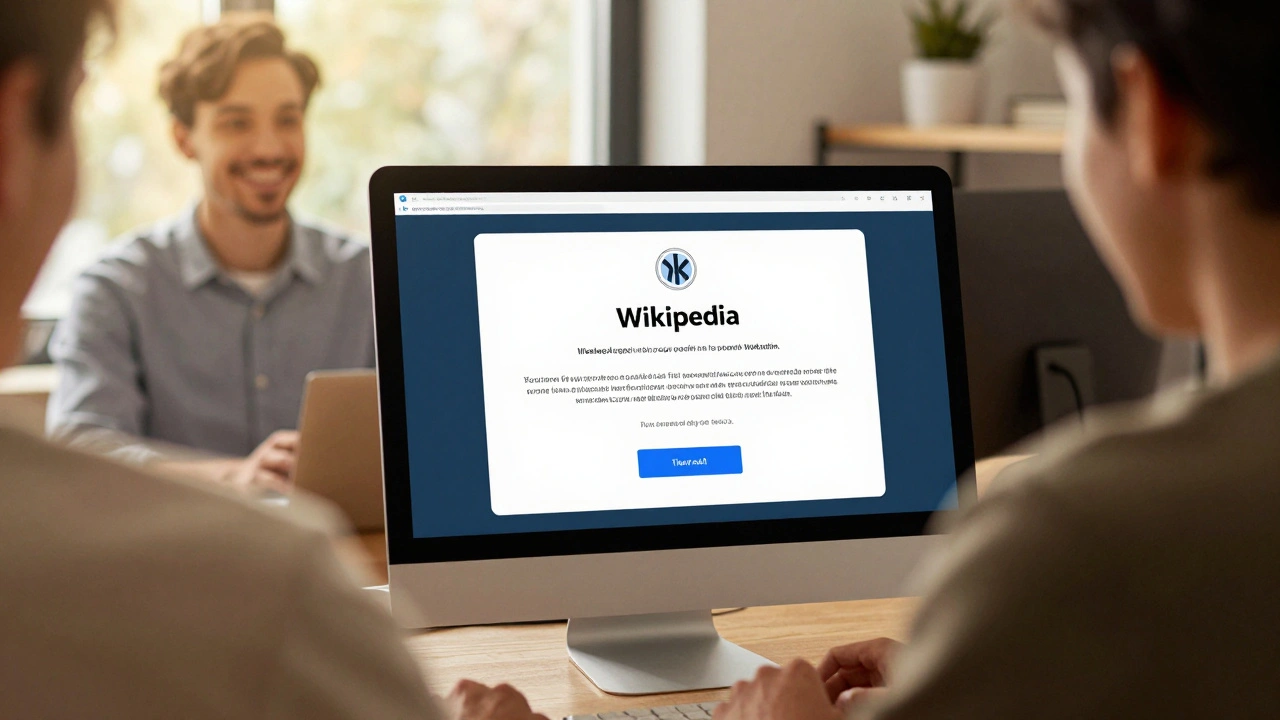
Retention Experiments on Wikipedia: What Has Worked
Wikipedia's editor retention crisis isn't about technology-it's about humanity. Simple changes like personalized welcomes, mentorship, and reducing hostile feedback have proven to dramatically increase how many volunteers stay and contribute.

Moderator Self-Care and Burnout Prevention on Wikipedia
Wikipedia moderators fight vandalism daily without pay or recognition - leading to widespread burnout. Learn how to protect your mental health, set boundaries, and stay in the game longer.
How Mentorship and Coaching Programs Boost Wikipedia Editor Retention
Mentorship and coaching programs on Wikipedia significantly improve editor retention by offering personal support, reducing feelings of isolation, and helping newcomers navigate complex community norms. Data shows those with guidance are far more likely to stay and become leaders.