Wikipedia accessibility: How to make knowledge usable for everyone
When we talk about Wikipedia accessibility, the practice of designing Wikipedia so people with disabilities can use it effectively. Also known as inclusive editing, it’s not just about screen readers—it’s about making sure anyone, regardless of vision, mobility, hearing, or cognitive ability, can find, read, and contribute to the world’s largest encyclopedia. This isn’t a side project. It’s core to Wikipedia’s mission. If knowledge is meant to be free, it has to be usable by everyone—not just those who fit a narrow mold of ability.
Assistive technology, tools like screen readers, voice recognition, and switch controls. Also known as adaptive interfaces, it’s what lets someone who is blind navigate a Wikipedia page or someone with limited hand movement edit an article using voice commands. Wikipedia works with these tools, not against them. That means clean HTML structure, proper heading levels, descriptive link text, and alt text on images aren’t optional—they’re requirements. A poorly labeled image or a confusing layout doesn’t just annoy users; it blocks them from learning. And when someone can’t access information, the whole idea of open knowledge breaks down.
It’s not just about the tech. Inclusive editing, the effort to welcome and support contributors with disabilities. Also known as accessible contribution, it’s about removing barriers that keep people from becoming editors. A person with dyslexia might struggle with dense wikitext. Someone with carpal tunnel might find typing long edits painful. These aren’t edge cases—they’re real people who want to fix errors, add citations, or write about their communities. Tools like TemplateWizard and mobile editing help. So do clear guidelines, patient mentors, and communities that listen. Accessibility isn’t a checkbox. It’s a culture.
You don’t need to be a developer to help. Adding alt text to a photo, checking that headings flow logically, or suggesting simpler language in a talk page are all acts of accessibility. The same people who fix typos and update dates are the ones making Wikipedia work for someone using a screen reader. The tools are there. The community is growing. And every edit that makes content clearer, faster, or easier to use brings us closer to real openness.
Below, you’ll find practical guides on how to edit Wikipedia on mobile, how templates reduce errors, how search works under the hood, and how editors respond to real-world needs. These aren’t just technical tips—they’re steps toward a more inclusive encyclopedia. Whether you’re reading, editing, or just curious, you’re part of this effort now.
Accessibility on Wikipedia: How ARIA, Contrast, and Keyboard Navigation Make It Work
Wikipedia uses ARIA, high contrast text, and full keyboard navigation to ensure its content is accessible to everyone, including screen reader users and people with motor disabilities. It's not just compliant-it's designed for real use.
How to Use Wikipedia for Accessibility and Inclusive Teaching
Wikipedia can transform inclusive education by offering accessible, multilingual, and collaborative learning materials. Learn how teachers use it to support students with disabilities, language barriers, and diverse learning styles through real editing projects.
Accessibility Gains: How AI Is Transforming Wikipedia Reading and Editing
AI is making Wikipedia more accessible for people with disabilities by improving text reading, simplifying editing, and enabling translation. These tools help users with visual, cognitive, and motor impairments engage with the world’s largest encyclopedia independently.
Accessibility for Editors With Disabilities on Wikipedia
Wikipedia is open to all, but editing tools often exclude people with disabilities. Learn how accessibility is being improved for blind, motor-impaired, and neurodivergent editors-and how you can help.
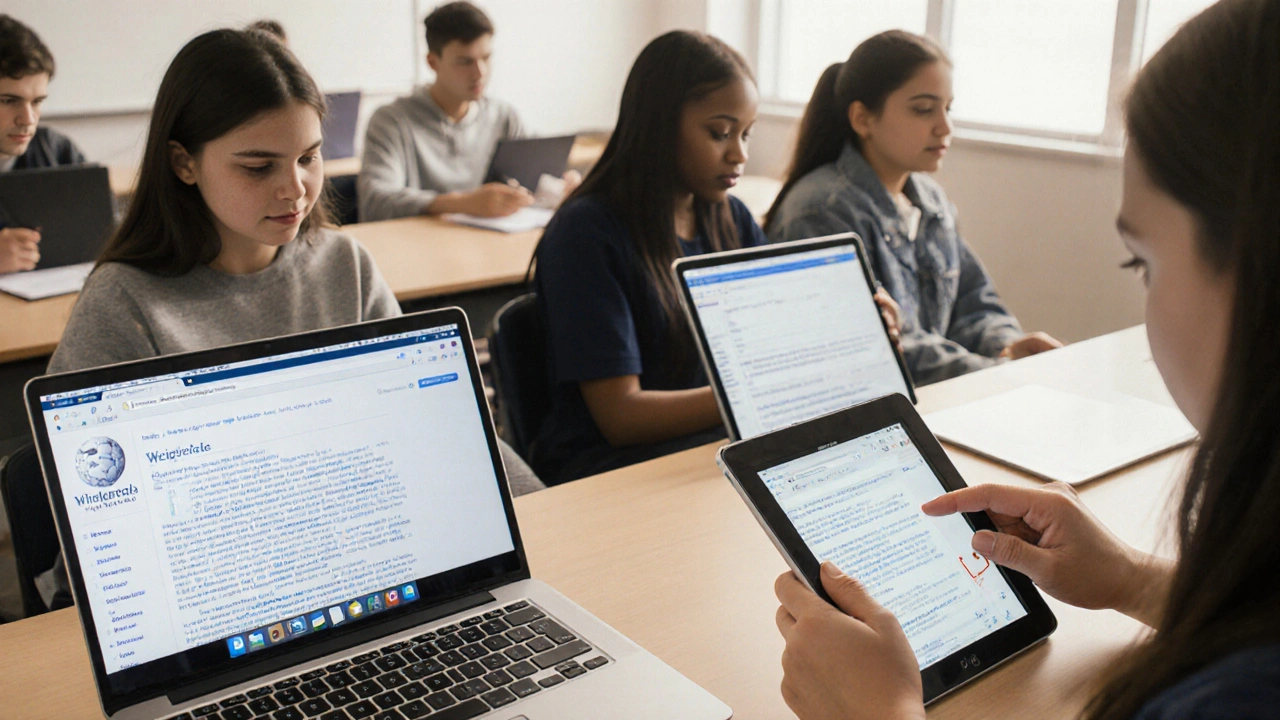
Accessibility Considerations for Educational Use of Wikipedia
Wikipedia is widely used in education, but its accessibility issues can exclude students with disabilities. Learn how teachers and students can make Wikipedia work for everyone through simple fixes, tools, and teaching strategies.