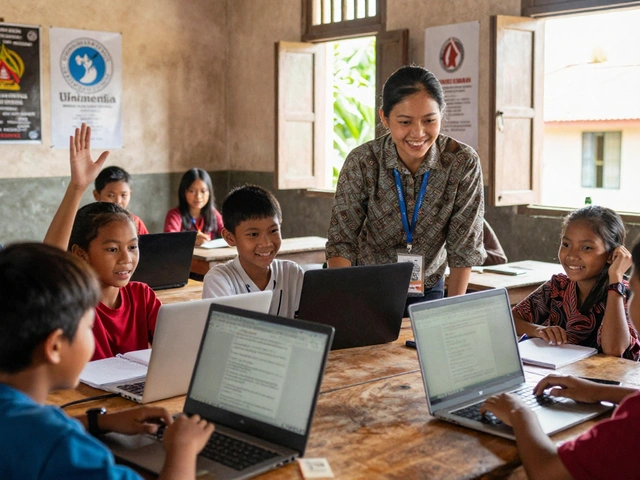
Wikipedia censorship: How access, control, and editing policies shape global knowledge
When you think of Wikipedia censorship, the suppression or restriction of Wikipedia content by governments, institutions, or powerful groups. Also known as content blocking, it isn’t just about deleting articles—it’s about controlling what millions of people can see, read, and learn. This isn’t a fringe issue. Countries like China, Russia, Iran, and Turkey have blocked entire sections of Wikipedia at different times. Sometimes it’s a full site ban. Other times, it’s selective: one article on a political leader, another on a historical event, or a page about a banned organization. The goal? To shape reality by limiting access to information.
What makes Wikipedia censorship, the suppression or restriction of Wikipedia content by governments, institutions, or powerful groups. Also known as content blocking, it isn’t just about deleting articles—it’s about controlling what millions of people can see, read, and learn. different from regular editing disputes is the scale and force behind it. While volunteers argue over citations and neutrality on talk pages, state-level censorship uses firewalls, legal threats, or arrests. In 2023, Turkey blocked Wikipedia for over two years. In 2022, Russia banned pages about its invasion of Ukraine. These aren’t isolated incidents—they’re part of a global pattern. And it’s not just governments. Corporations, religious groups, and even educational institutions sometimes pressure editors to remove content that makes them look bad. The Wikipedia conflict of interest policy, a rule requiring editors to disclose personal or financial ties to topics they edit. Also known as COI policy, it’s designed to prevent biased edits—but it can’t stop a country from cutting off internet access entirely. Meanwhile, editors in affected regions face real risks. Someone in Saudi Arabia editing a page about women’s rights might get flagged. Someone in Belarus writing about protests could be tracked. Wikipedia’s open editing model works because anyone can contribute—but that same openness makes it vulnerable to suppression.
But here’s the thing: censorship doesn’t always win. When a country blocks Wikipedia, volunteers respond by creating mirror sites, publishing articles on alternative platforms, or translating content into languages that aren’t being monitored. The Wikipedia community, a global network of volunteer editors who maintain, update, and defend the encyclopedia’s content. Also known as Wikipedians, it’s one of the most resilient digital movements in history. doesn’t just write articles—it fights for the right to write them. The tools to fight back are simple: edit history logs, revision IDs, and archived versions. When a page gets wiped, someone else brings it back. When a link is blocked, someone else uploads it to a different server. This isn’t theoretical. It’s happened dozens of times, in dozens of countries. The fight over Wikipedia isn’t about one article. It’s about who gets to decide what knowledge is real.
Below, you’ll find real stories from the front lines: how editors in restricted regions keep writing, how policies are used to resist pressure, and how the world’s largest encyclopedia stays alive even when the internet tries to silence it.

Wikimedia Foundation Challenges to Government Regulations
The Wikimedia Foundation is fighting government censorship worldwide to protect access to accurate, free knowledge. From Turkey to India, it refuses to remove factual content-even when governments demand it.
Legal Threats Against Wikipedia Editors and Administrators
Legal threats against Wikipedia editors are rising, silencing volunteers who correct misinformation. From defamation lawsuits to intimidation letters, these pressures are reshaping what knowledge gets published - and who gets to decide.
Bias and Censorship Accusations Against Wikipedia: Analysis
Wikipedia claims neutrality, but systemic gaps in editor demographics create real bias and invisibility. Censorship isn't about deleting facts-it's about what never gets written. Here's how the world's largest encyclopedia really works.
Legal Actions: Defending Wikipedia Against Censorship and Takedowns
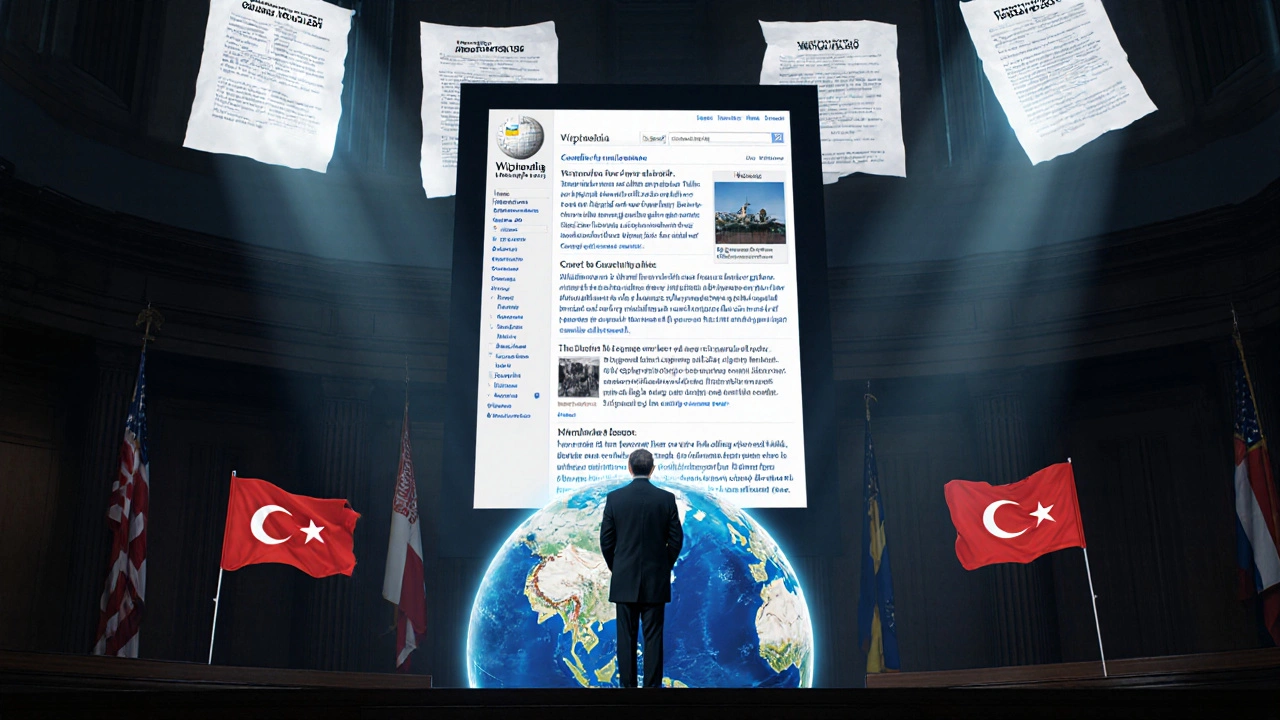
Wikipedia faces increasing legal pressure from governments seeking to censor facts. Learn how the Wikimedia Foundation defends free knowledge against takedowns - and how you can help.