Wikipedia ethics: How editors uphold truth, neutrality, and trust
When you edit a Wikipedia article, you’re not just fixing a typo—you’re taking part in a global system built on Wikipedia ethics, a set of unwritten and written rules that demand honesty, neutrality, and accountability from every contributor. Also known as editorial integrity, these principles are what keep Wikipedia from becoming just another crowd-sourced mess. Unlike commercial sites that chase clicks or ads, Wikipedia’s survival depends on one thing: trust. If readers can’t believe what they read here, the whole project collapses.
That trust doesn’t happen by accident. It’s enforced by conflict of interest policies, rules that require editors to disclose personal ties when editing topics they’re connected to—like their employer, family, or political group. This isn’t just about fairness; it’s about preventing hidden agendas from slipping into articles about companies, politicians, or even historical events. Then there’s sourcing standards, the requirement that every claim must be backed by reliable, published material—not personal opinions, blogs, or AI-generated text. This is why Wikipedia rejects AI summaries that sound smart but have no footnotes. And when someone tries to game the system with fake accounts—known as sockpuppetry, a practice where one person uses multiple identities to manipulate discussions or votes—the community digs in and uncovers them, often through meticulous edit history checks. These aren’t optional guidelines. They’re the backbone of a platform where anyone can edit, but no one gets to control the narrative.
Wikipedia ethics aren’t perfect, but they’re the most consistent set of rules for open knowledge the world has ever seen. They’re tested daily—whether it’s a librarian correcting a biography, a volunteer chasing down a copyright violation, or a team blocking a bot that keeps adding false data. These rules exist because real people, in real places, rely on Wikipedia to understand the world. And when those rules are ignored, the damage isn’t just to an article—it’s to public trust in information itself.
What follows is a collection of articles that show how these ethics play out in real time: from A/B tests that avoid manipulating users, to how editors fight geopolitical bias, to how students are trained to edit responsibly. You’ll see the tools, the debates, and the quiet heroes who make sure Wikipedia stays honest—even when no one’s watching.
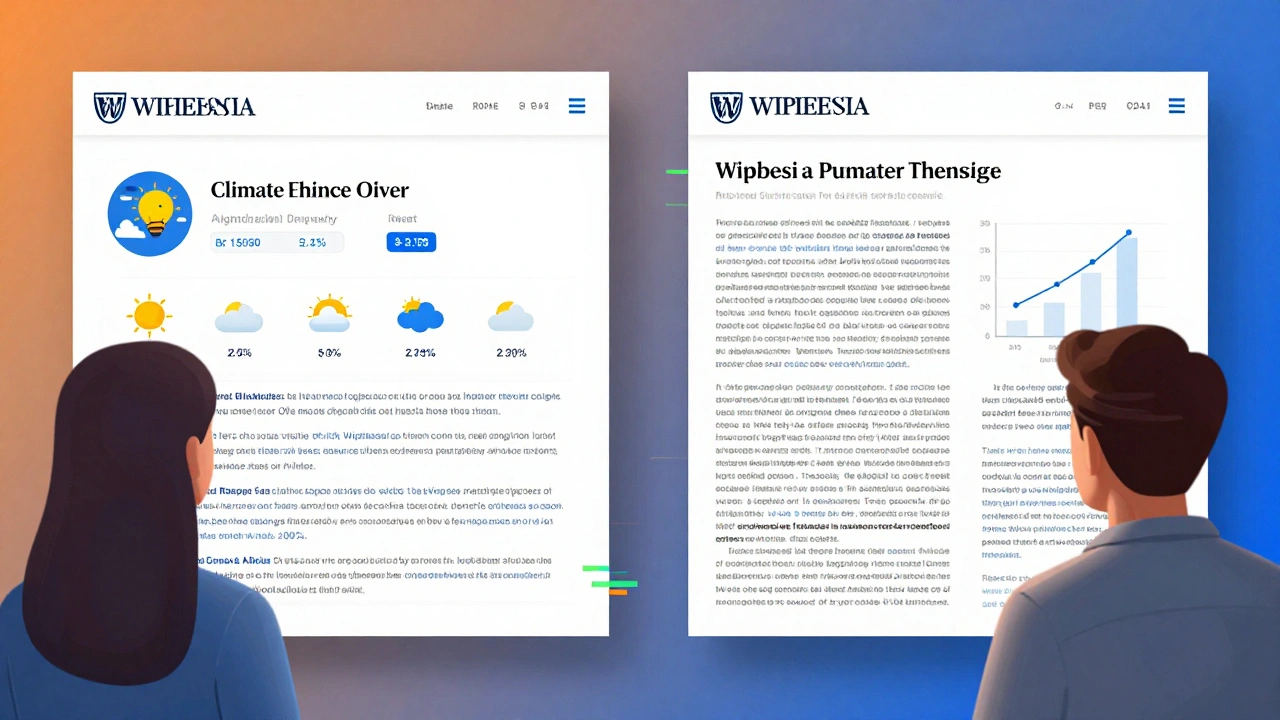
AI-Driven Personalization: Ethical Reader Experiences on Wikipedia
AI-driven personalization on Wikipedia threatens its core promise of neutral, universal knowledge. Learn how personalized content risks fragmentation, bias, and loss of trust-and what ethical alternatives exist.
Podcast Journalism About Wikipedia: How Stories Are Built from Edit Wars, Bias, and Hidden Histories
Podcast journalism is uncovering the hidden battles behind Wikipedia’s edits - from bias and anonymity to cultural erasure. Learn how stories are shaped by edit wars, ethics, and who gets to define truth.
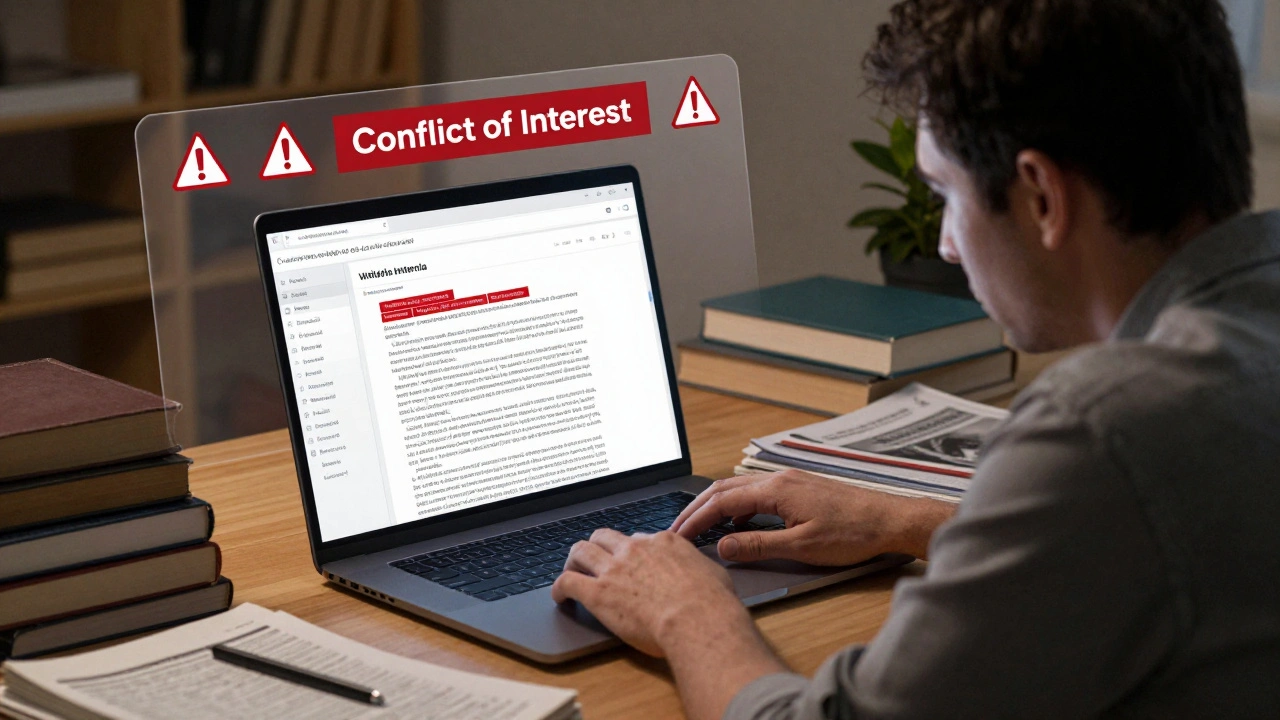
Managing Conflicts of Interest When Academics Edit Wikipedia
Academics often want to improve Wikipedia articles about their research, but editing directly creates conflicts of interest. Learn how to contribute ethically without violating Wikipedia's policies or undermining public trust.

Ethics of Editing Wikipedia as Part of Academic Coursework
Students editing Wikipedia for class must follow strict ethical rules to avoid plagiarism, bias, and misinformation. Learn how to contribute responsibly with reliable sources and neutral language.
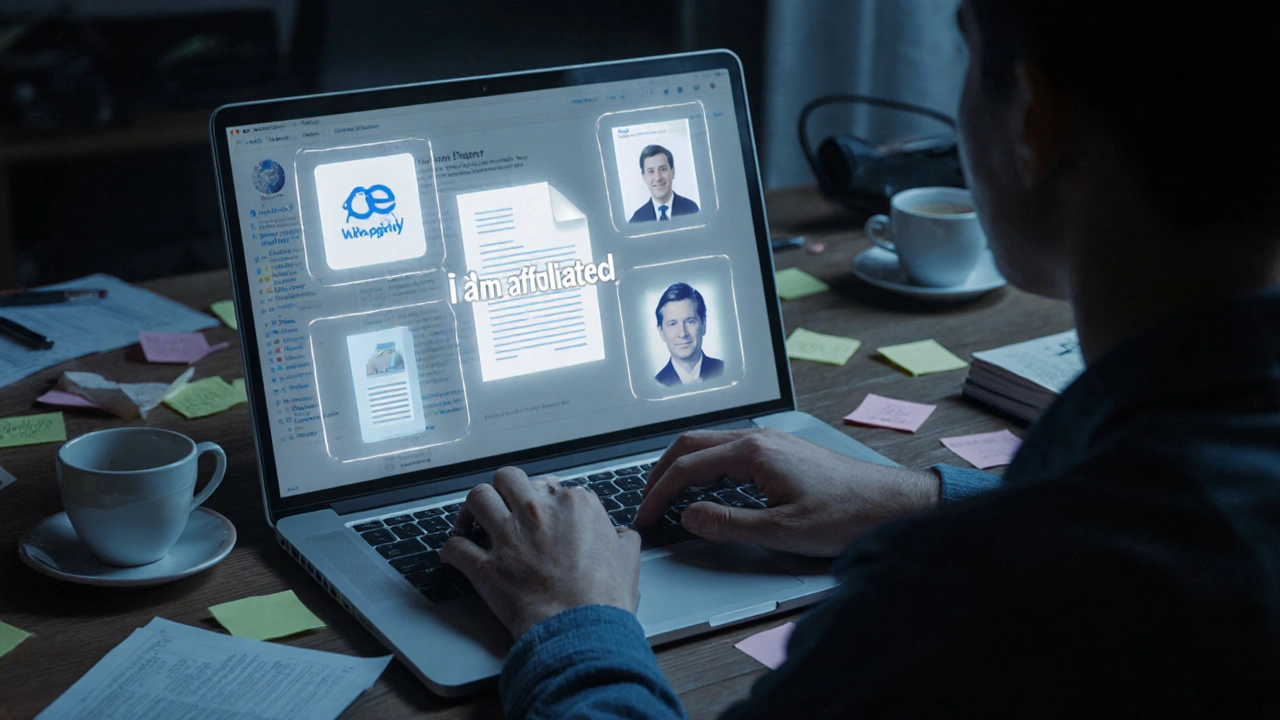
Conflict of Interest Policy on Wikipedia: What Editors Must Disclose
Wikipedia’s conflict of interest policy requires editors to disclose any personal, financial, or professional ties to topics they edit. Failure to disclose can lead to edits being reverted or permanent blocks. Transparency is key to maintaining trust in the encyclopedia.