Source Evaluation on Wikipedia: How to Tell Reliable Info from Noise
When you edit Wikipedia, you’re not just writing facts—you’re deciding what counts as truth. That’s where source evaluation, the process of judging whether a piece of information comes from a trustworthy place. Also known as source verification, it’s the backbone of every reliable Wikipedia article. It doesn’t matter how well-written your sentence is—if the source behind it is shaky, your edit will get reverted. This isn’t about opinion. It’s about a system built to stop misinformation before it spreads.
Wikipedia doesn’t let you use just any source. primary sources, original materials like interviews, raw data, or personal blogs. Also known as firsthand accounts, they’re useful for context but rarely enough on their own. You need secondary sources, analysis or reporting by experts who’ve reviewed multiple primary sources. Also known as third-party reporting, they’re the gold standard for Wikipedia edits. A newspaper article summarizing a scientific study? That’s a secondary source. The original study itself? That’s primary—and usually not enough to support a claim on Wikipedia. The difference isn’t subtle. Using the wrong one is why so many edits get flagged.
Source evaluation isn’t just about picking good references. It’s about spotting bias, conflicts of interest, and hidden agendas. A corporate blog post might sound official, but if it’s written by a company defending its product, it’s not neutral. A local blog might have great details about a town event, but if no other outlet covered it, it likely doesn’t meet Wikipedia’s notability bar. Even academic papers can be problematic if they’re outdated, poorly peer-reviewed, or published by a predatory journal. That’s why experienced editors check the publisher, the author’s credentials, and whether other reliable sources agree.
And it’s not just about the source—it’s about how you use it. Wikipedia’s due weight policy means you can’t give equal space to fringe views just because they exist. If 95% of reliable sources say something is true, your article should reflect that. You also can’t just copy-paste a quote and call it done. You need to explain how the source supports your claim. That’s part of source evaluation too: understanding context, not just grabbing text.
What you’ll find below are real stories from Wikipedia’s front lines. You’ll see how volunteers fight to keep bad sources out, how journalists use Wikipedia to find better sources, and why AI-generated encyclopedias often look right but are dangerously wrong. You’ll learn how to spot misleading citations, handle copyright takedowns that erase good content, and why some of the most trusted articles on Wikipedia were almost deleted because someone used the wrong kind of source. This isn’t theory. It’s what happens every day when real people try to keep the world’s largest encyclopedia accurate—and why source evaluation isn’t optional. It’s the only thing standing between truth and chaos.
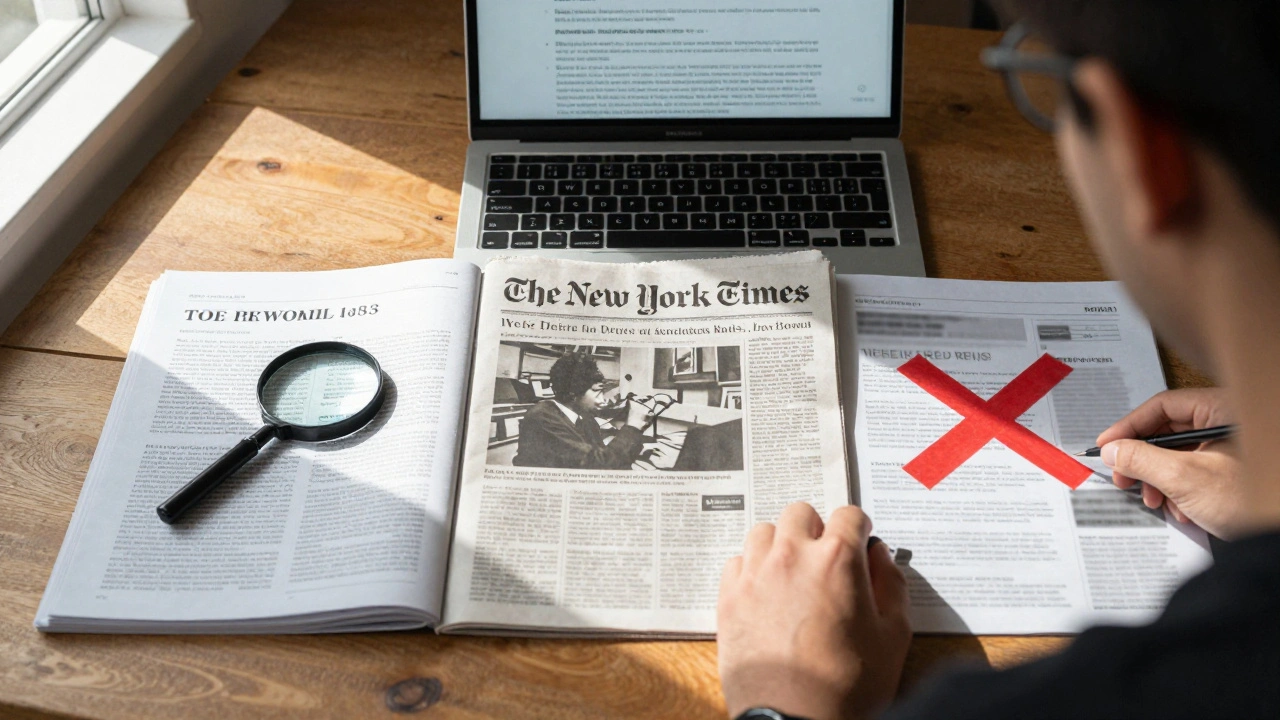
How to Evaluate Source Reliability for Wikipedia Citations
Learn how to evaluate source reliability for Wikipedia citations by checking publication status, independence, and verifiability. Avoid blogs and press releases-use peer-reviewed journals, major newspapers, and official reports instead.

Perennial Reliable Sources List on Wikipedia: What to Know
Wikipedia relies on a core set of perennial reliable sources like The New York Times, The Lancet, and Reuters. Learn what makes a source trustworthy, why some are rejected, and how to evaluate information beyond Wikipedia.

How to Use Wikipedia Talk Pages for Classroom Debates
Wikipedia talk pages reveal how knowledge is debated and built-making them powerful tools for teaching students to think critically, spot bias, and evaluate sources in the classroom.
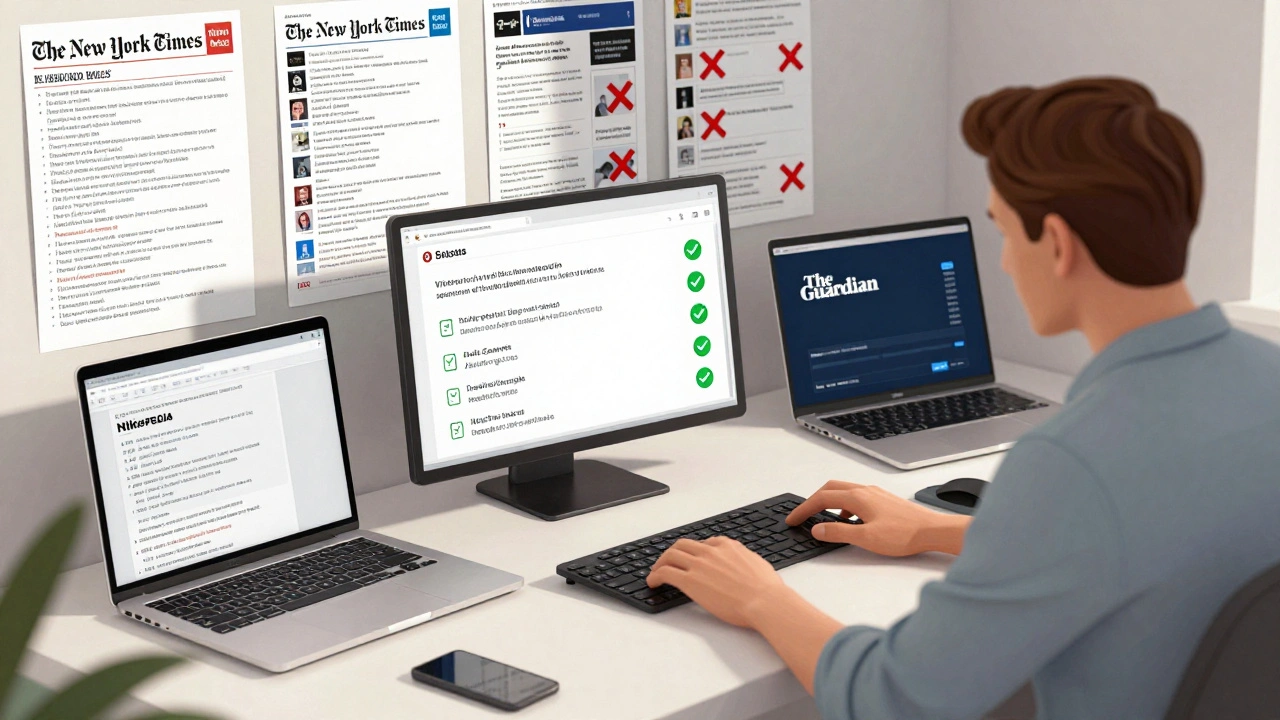
Source Reliability Tables: How to Evaluate Outlets for Wikipedia
Learn how Wikipedia editors evaluate sources using reliability tables to ensure accuracy. Understand what makes a source trustworthy and how to spot unreliable claims.

How to Evaluate Think Tanks and Advocacy Groups as Sources on Wikipedia
Learn how to evaluate think tanks and advocacy groups as sources on Wikipedia. Discover red flags, verification methods, and when these sources are acceptable-or not.
How to Build Annotated Bibliographies for Wikipedia Article Development
Learn how to build annotated bibliographies using reliable sources to create or improve Wikipedia articles. Understand what counts as credible, how to format entries, and how to defend your edits with evidence.