Academic Research on Wikipedia: How Scholars Use and Shape the Encyclopedia
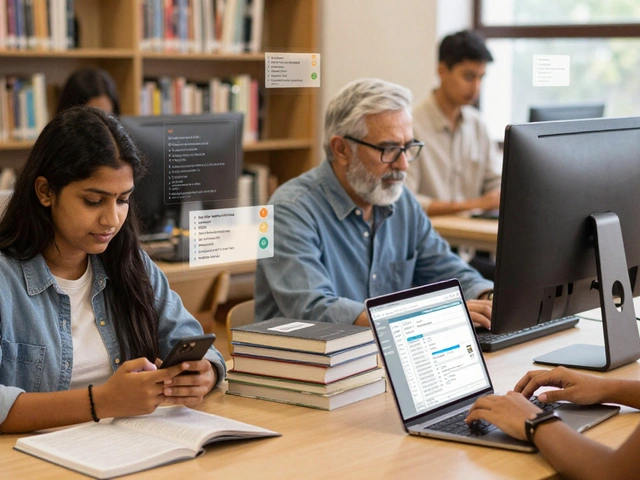
When you think of academic research, systematic investigation aimed at increasing knowledge and understanding through evidence-based analysis. Also known as scholarly research, it's often seen as happening in libraries and peer-reviewed journals—but increasingly, it’s happening right on Wikipedia. Thousands of professors, librarians, and students now treat Wikipedia not just as a starting point, but as a living document they help build. It’s not just about copying facts—it’s about evaluating sources, debating neutrality, and fixing gaps in global knowledge.
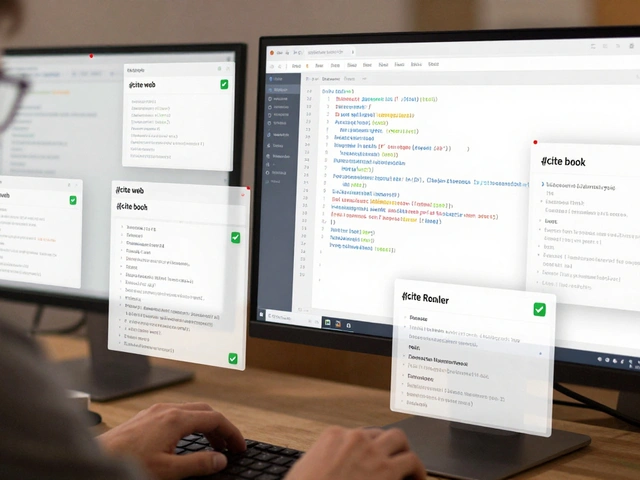
Wikipedia’s sourcing standards, the requirement that all claims be backed by reliable, published references mirror the core principles of academic writing: cite your sources, avoid bias, and verify claims. That’s why many universities now use Wikipedia talk pages, the discussion spaces behind every article where editors debate content changes as real-world classrooms. Students learn to argue with evidence, not opinions. They see how consensus forms, how conflicts get resolved, and why transparency matters. This isn’t just editing—it’s training in critical thinking, source evaluation, and collaborative knowledge-building.
And it’s not just students. Researchers use Wikipedia to study everything from gender bias in biographies to how political events get documented in real time. They analyze edit histories, track content gaps across languages, and measure how well different cultures are represented. The geographic bias, the uneven distribution of Wikipedia editors and content based on location, often favoring the Global North isn’t just a problem—it’s a research topic. Meanwhile, tools like CirrusSearch, Wikipedia’s custom search engine that handles over half a billion queries daily help scholars understand how people find information, not just what they find.
Academic research doesn’t just use Wikipedia—it shapes it. Policy changes on conflict of interest, reliable sourcing, and content quality often come from peer-reviewed studies. When researchers publish findings on how misinformation spreads or how editing patterns vary by region, the Wikipedia community listens. They update guidelines. They build new tools. They train more editors. This isn’t a one-way street. It’s a feedback loop: research informs practice, and practice generates new questions.
What you’ll find below is a curated collection of articles that show exactly how this works. From how librarians teach students to edit Wikipedia, to how AI misinformation is being countered with Wikipedia’s citation rules, to how election results get verified by volunteers in real time—this isn’t theory. It’s what happens when academia meets the world’s largest encyclopedia. You’ll see the tools, the policies, the people, and the quiet revolution happening behind every article you read.
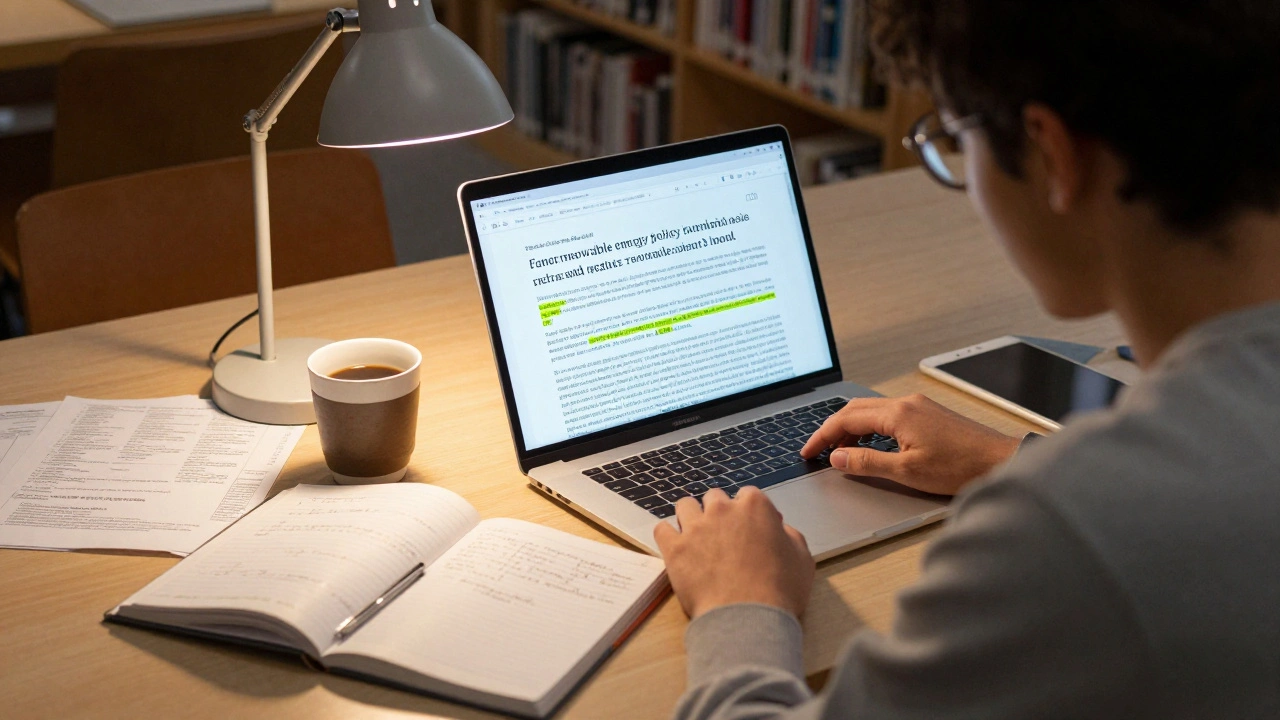
Desk Research with Wikipedia: A Practical Guide for Students and Researchers
Learn how to use Wikipedia effectively for academic desk research-find credible sources, avoid common mistakes, and build a solid foundation for papers and projects without wasting time.
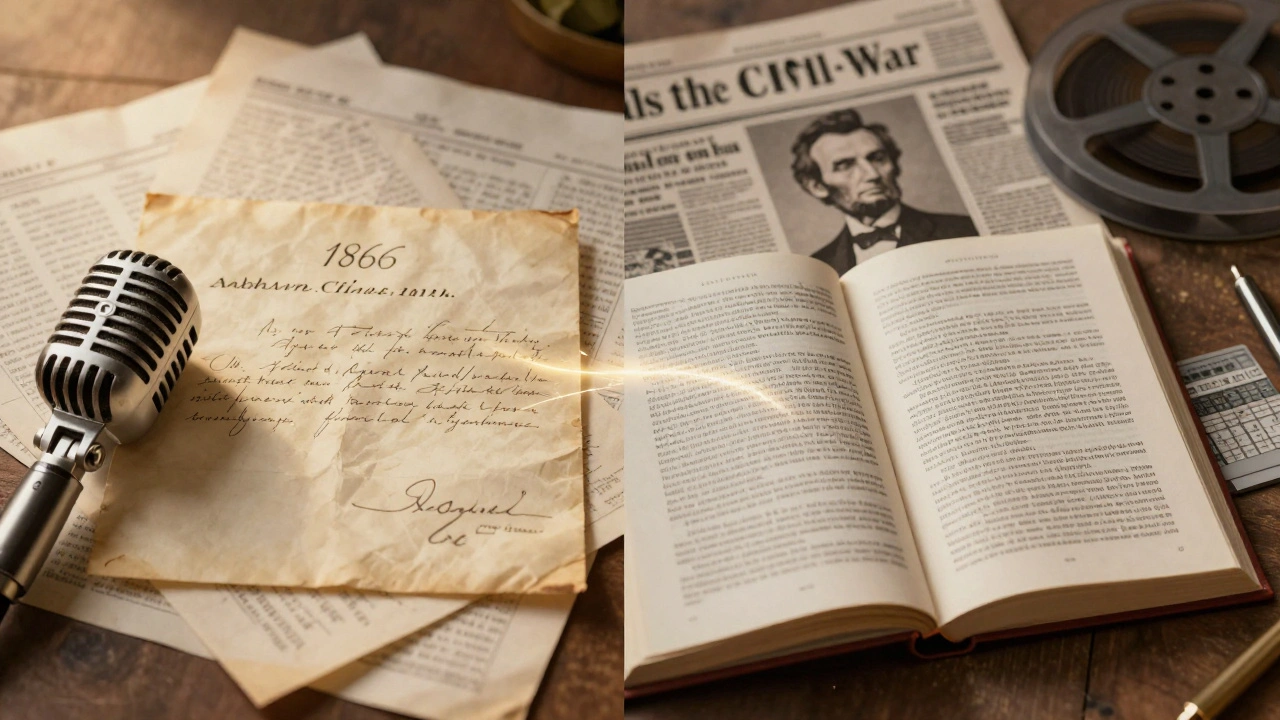
Primary vs Secondary Sources on Wikipedia: When to Use Each
Learn when to use primary and secondary sources on Wikipedia to ensure your research is accurate and credible. Understand the difference and how to trace facts back to reliable original material.
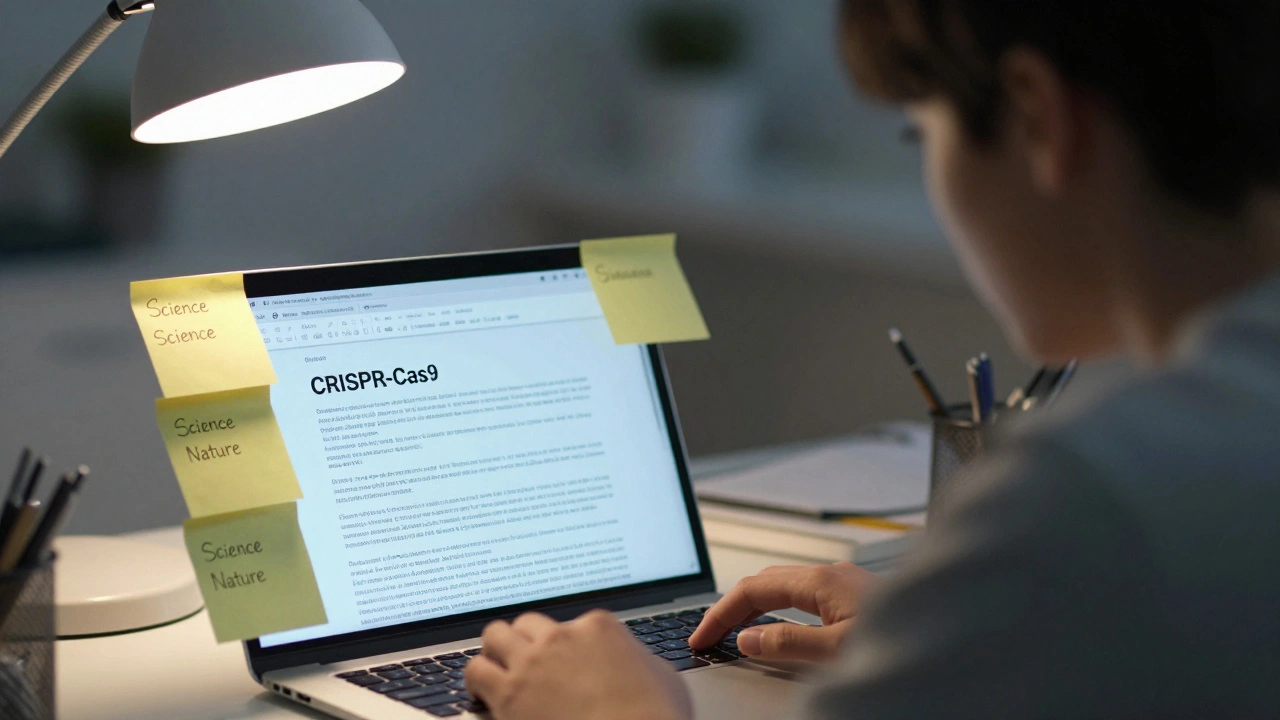
Citation Patterns: How Much Does Academic Work Cite Wikipedia?
Wikipedia is widely used by students and researchers to understand topics, but only a tiny fraction of academic papers cite it directly. Learn why and how it's actually used in real research.
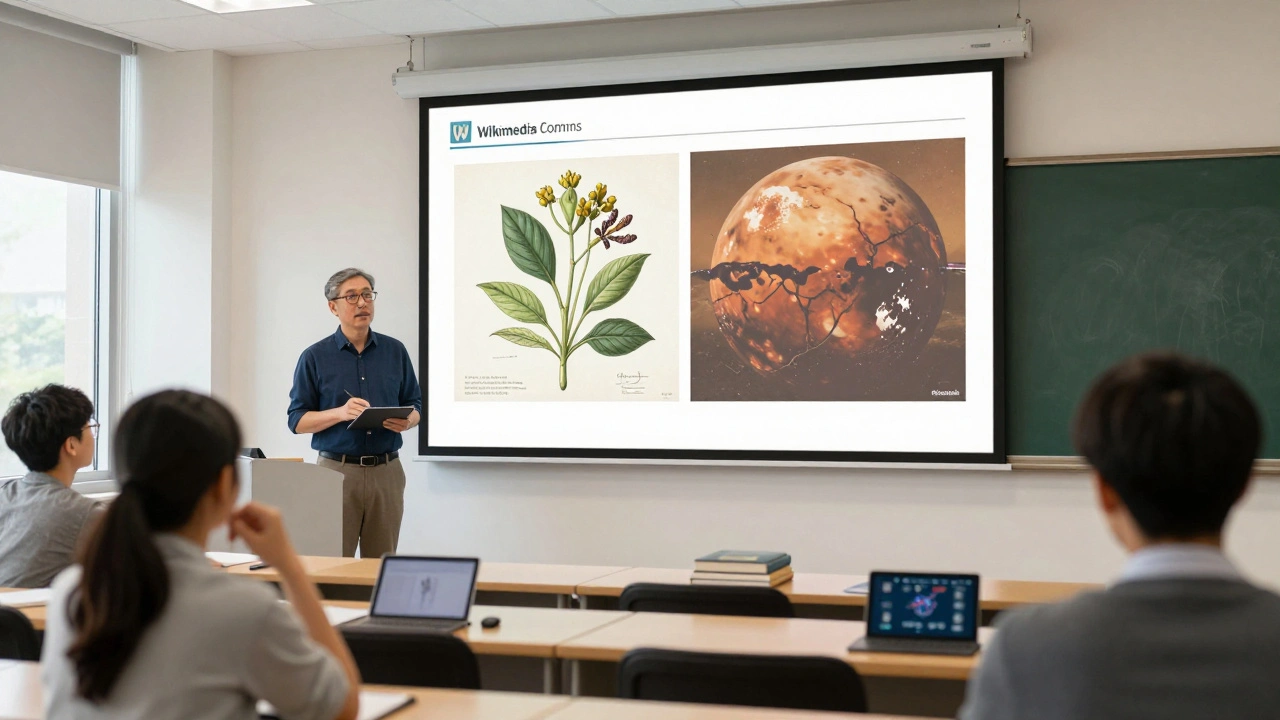
Using Wikimedia Commons for Research and Teaching
Wikimedia Commons offers millions of free, legally reusable images, audio, and documents perfect for academic research and teaching. Learn how to find, use, and contribute to this powerful open resource without copyright risk.
How to Use Wikipedia in a Literature Review Without Compromising Academic Integrity
Wikipedia isn't a source to cite in a literature review-but it's one of the best tools to find real academic research. Learn how to use it correctly to save time and strengthen your paper.
Using Wikipedia as a Starting Point for Academic Research
Wikipedia isn't a source to cite-but it's one of the best tools to begin academic research. Learn how to use its citations, structure, and references to find real scholarly sources quickly and effectively.
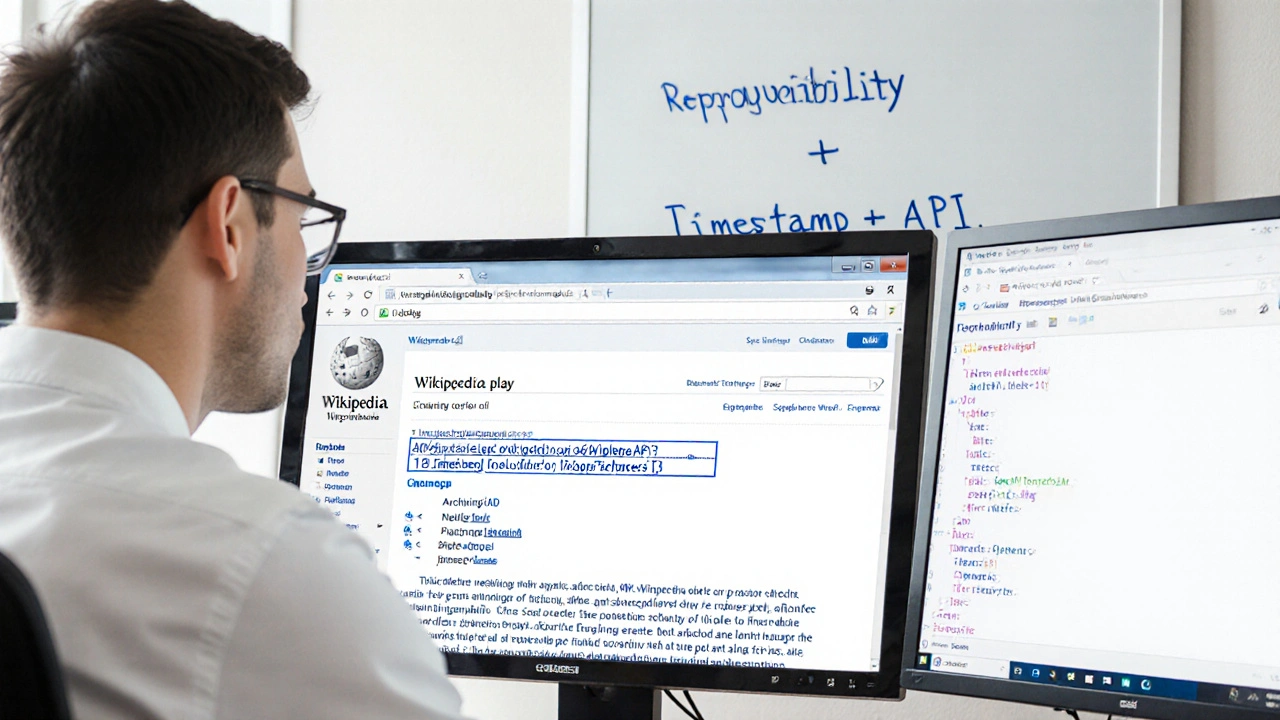
Reproducibility in Wikipedia Research: How to Avoid Common Mistakes and Follow Best Practices
Learn how to make Wikipedia-based research reproducible by saving page versions, using revision IDs, and avoiding common pitfalls that invalidate academic studies. Essential for students and researchers.