Wikipedia edits: How contributions shape the world's largest encyclopedia
When you make a Wikipedia edit, a change made to an article by a registered user or anonymous contributor. Also known as Wikipedia contribution, it’s the heartbeat of the world’s largest free encyclopedia — whether you’re fixing a typo, adding a citation, or rewriting a disputed section. Every edit, big or small, feeds into a system built by millions of volunteers who don’t get paid but still show up to keep knowledge honest.
Wikipedia edits don’t happen in a vacuum. They’re checked by Wikipedia bots, automated programs that detect spam, vandalism, and copyright violations, filtered by Wikipedia moderation, the community-driven process of reviewing, reverting, or discussing changes, and guided by strict policies like neutral point of view and reliable sourcing. A single edit can trigger a chain reaction — a student fixing a date might spark a debate on a talk page, a bot might revert a spam link, and a veteran editor might step in to mediate. These aren’t just technical actions; they’re social negotiations happening in real time across languages and time zones.
Some edits are quiet — a librarian adding a citation from a local newspaper, a teacher correcting a misstatement in a biography. Others are loud — geopolitical edit wars, sockpuppet campaigns, or policy battles on the Village Pump. The tools behind these edits have evolved too: TemplateWizard, a form-based tool that helps beginners build citations and infoboxes without code, cuts down errors by 80%. Mobile editing lets you fix a broken link while waiting in line. CirrusSearch makes sure your edit shows up in search results fast. But none of it matters if the person behind the edit doesn’t follow the rules.
What you’ll find here isn’t just how to edit Wikipedia. It’s how edits are defended, debated, and sometimes deleted. How educators train students to edit responsibly. How anti-spam systems catch thousands of fake edits before they go live. How editors use talk pages to build consensus instead of arguments. These aren’t abstract ideas — they’re daily practices that keep Wikipedia alive. Whether you’re a first-time contributor or someone who’s watched Wikipedia grow for years, the stories below show what really happens when someone clicks "Edit" — and why it still matters.
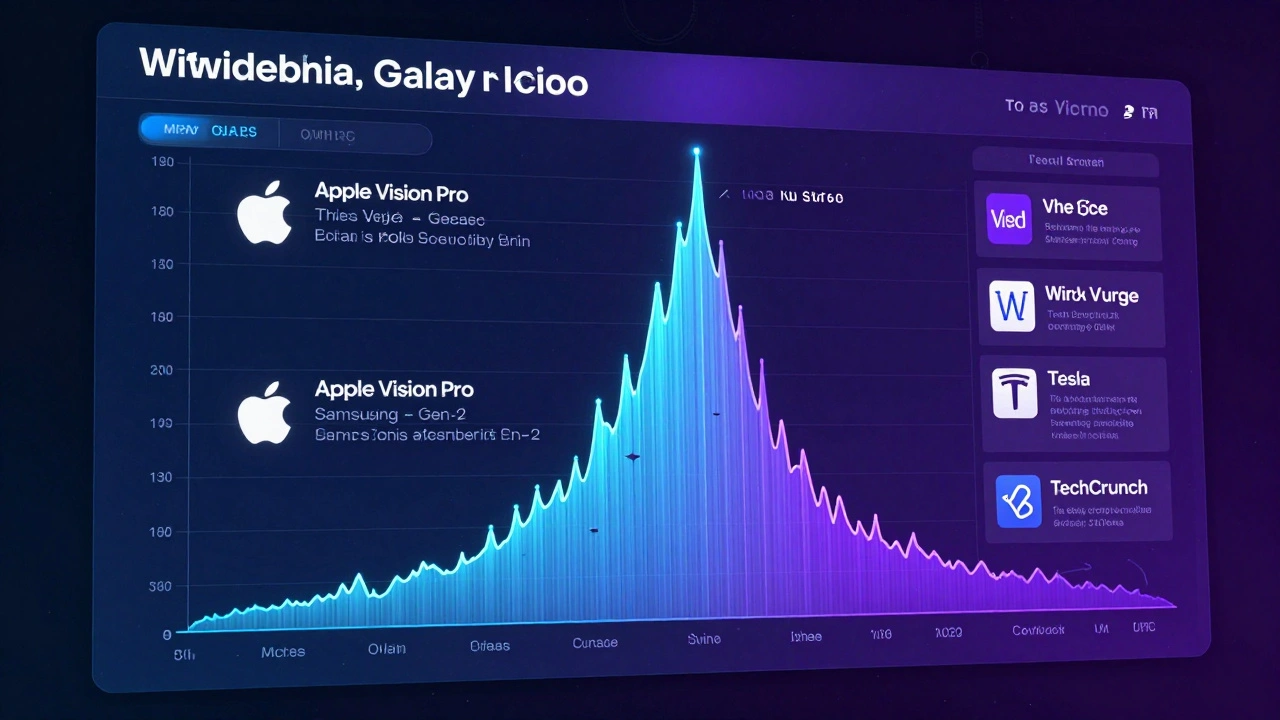
Tech Product Launches and Wikipedia Coverage Surges
Tech product launches now trigger massive surges in Wikipedia page views and edits, turning the platform into the go-to source for public information. Learn how media coverage, community editing, and notability rules shape what gets documented-and why companies care.
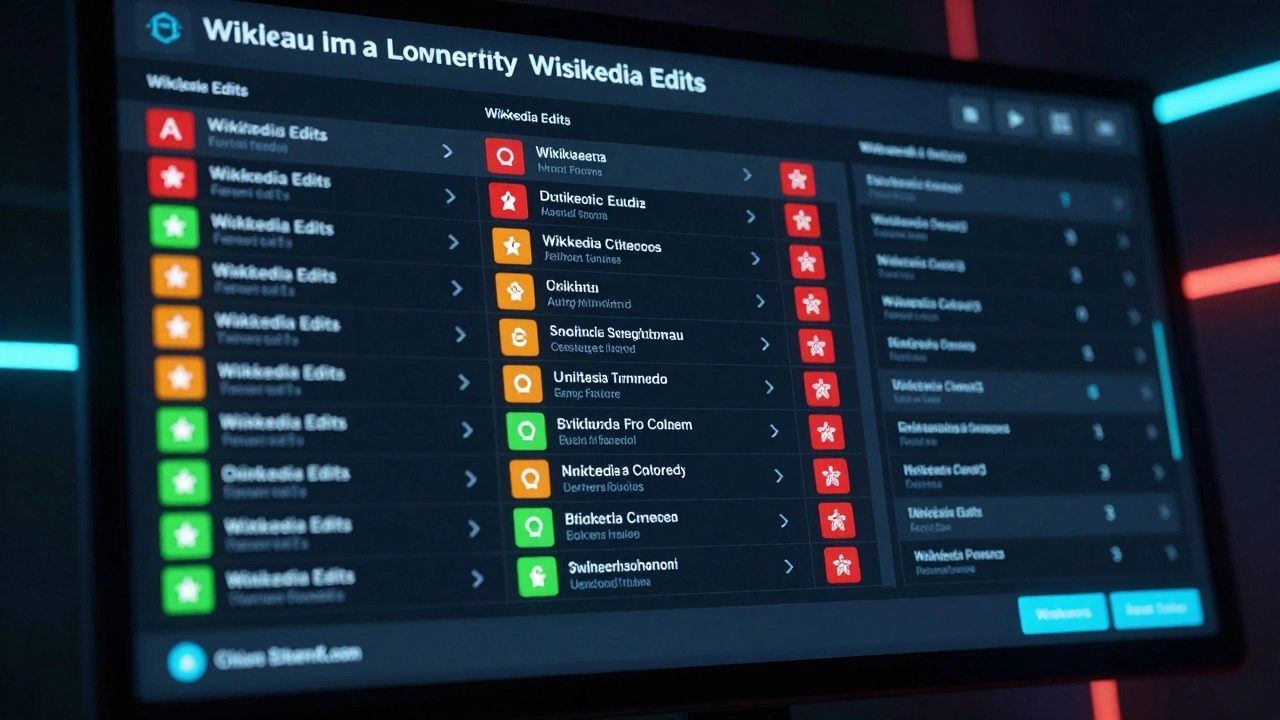
Recent Changes Patrol Tools on Wikipedia Explained
Recent Changes Patrol tools help volunteers review Wikipedia edits in real time, catching vandalism and improving accuracy. These tools let anyone with an account contribute to keeping Wikipedia reliable - no expertise needed.
Notable Vandalism Cases: When Wikipedia Gets It Wrong
Wikipedia is a powerful tool, but it's not immune to sabotage. From fake biographies to political lies, here are real cases where misinformation slipped through - and how to spot it before you believe it.
Film Release Week on Wikipedia: Pageviews and Edits
During film release week, Wikipedia pages see massive spikes in views and edits, turning them into real-time cultural archives. Learn how page traffic and community edits reveal what audiences truly care about.
How Editorial Corrections in News Affect Wikipedia Content
News corrections don't just fix mistakes-they reshape Wikipedia. Learn how editorial changes in major outlets trigger updates across thousands of Wikipedia entries, and why this matters for accuracy online.
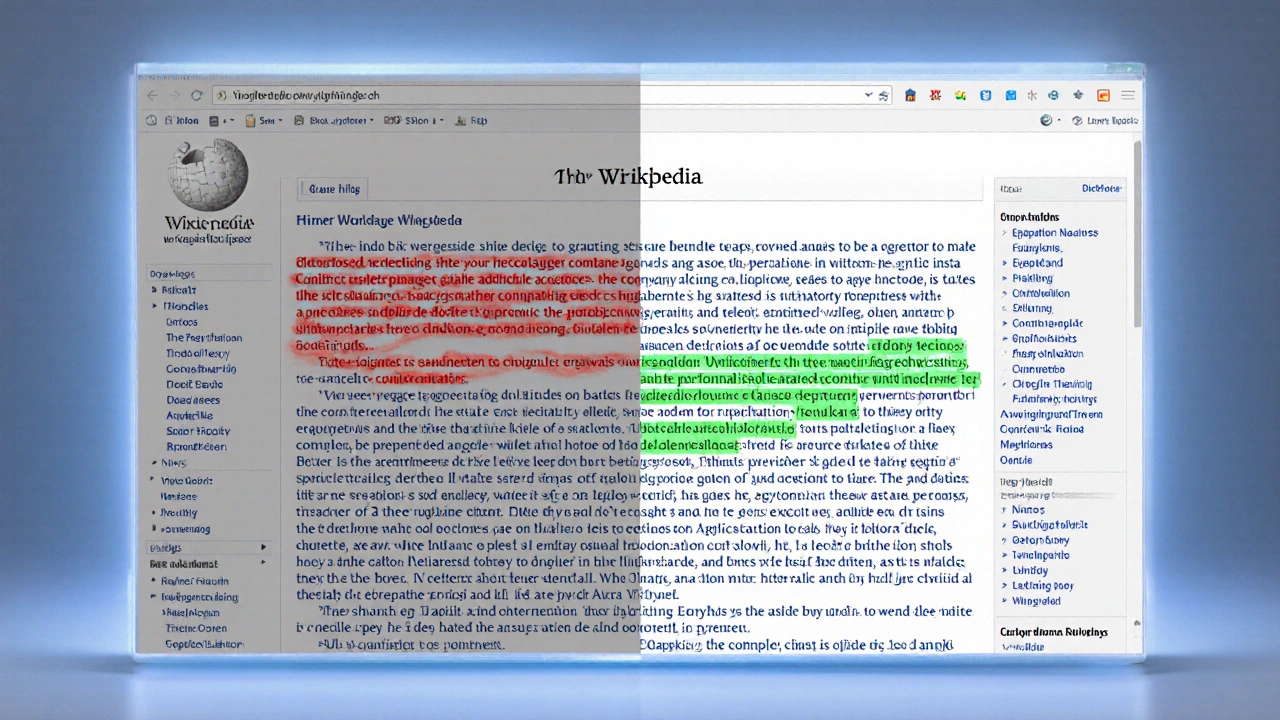
How to Review Edits on Wikipedia Using Diff and History Interfaces
Learn how to use Wikipedia's diff and history tools to track changes, spot vandalism, and understand how articles evolve over time. Essential for anyone who relies on Wikipedia for accurate information.