Wikipedia News Archive: 2025/11 - Governance, Editing Tools, and Global Knowledge Equity
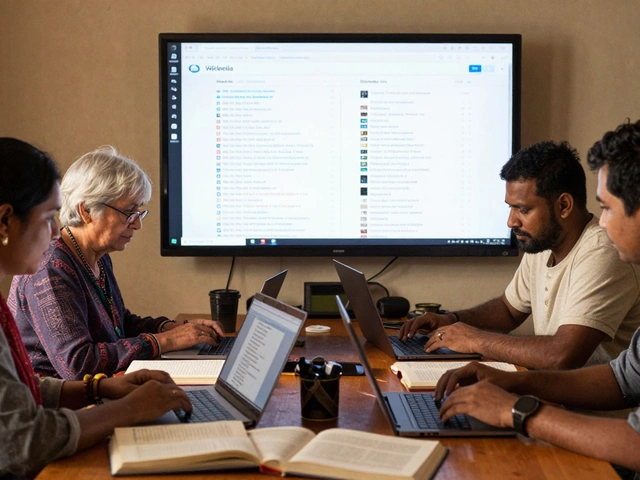
When you think of Wikipedia, the free, collaborative encyclopedia built by millions of volunteers worldwide. Also known as the world’s largest reference site, it doesn’t run on servers alone—it runs on people. From administrators making tough calls to new editors fixing typos on their phones, the real power lies in its community. In November 2025, the focus shifted to how that community governs itself, builds tools, and fights bias—not just in content, but in who gets to create it.
Wikipedia governance, the open, volunteer-driven process behind policies and leadership elections. Also known as community-led decision-making, it’s what keeps Wikipedia from becoming a free-for-all. This month, changes to how administrators are elected made experience matter more than popularity, limiting votes to active users and replacing majority votes with consensus. Meanwhile, Wikipedia editing tools, software that helps editors contribute faster and more accurately. Also known as editor aids, tools like TemplateWizard and Toolforge became essential for reducing errors and scaling contributions—especially for newcomers. And then there’s content parity, whether knowledge in one language or region matches the depth and accuracy of another. Also known as global knowledge equity, it’s the quiet crisis behind Wikipedia’s success: over 90% of edits come from a handful of countries, leaving entire cultures underrepresented.
These aren’t abstract ideas. They show up in how a student in Nigeria accesses medical info, how a teacher in Brazil uses talk pages to teach debate, or how a bot in Germany blocks 10,000 spam edits before sunrise. This archive captures the real work behind the scenes: fixing accessibility for disabled learners, training new editors through local Edit-A-Thons, defending Wikipedia from censorship, and using AI to translate articles without losing nuance. It’s not about perfect articles—it’s about building a system where anyone, anywhere, can help shape what the world knows.
What follows is a curated collection of how that system works—day by day, edit by edit. You’ll find guides for new contributors, deep dives into search infrastructure, and stories of editors responding to breaking news in real time. No fluff. Just the facts, tools, and people keeping Wikipedia alive.

How Wikipedia Administrators Are Elected in 2025: Key Changes
In 2025, Wikipedia changed how its administrators are elected to prioritize experience over popularity. New rules require proven editing history, limit voting to active users, and replace majority votes with consensus-based approval.
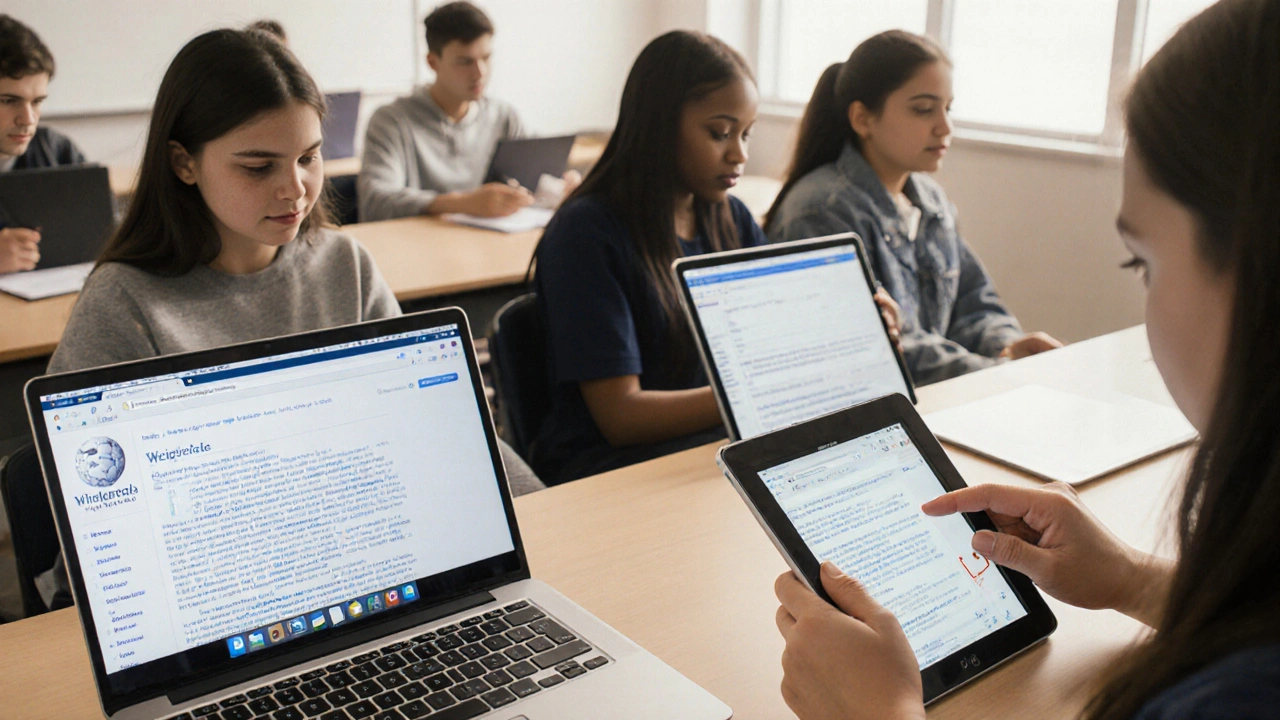
Accessibility Considerations for Educational Use of Wikipedia
Wikipedia is widely used in education, but its accessibility issues can exclude students with disabilities. Learn how teachers and students can make Wikipedia work for everyone through simple fixes, tools, and teaching strategies.
How to Improve Stub Articles to B-Class Status on Wikipedia
Learn how to expand Wikipedia stub articles into B-Class status by adding structure, citations, context, and neutral tone. A practical guide for new editors looking to improve article quality.
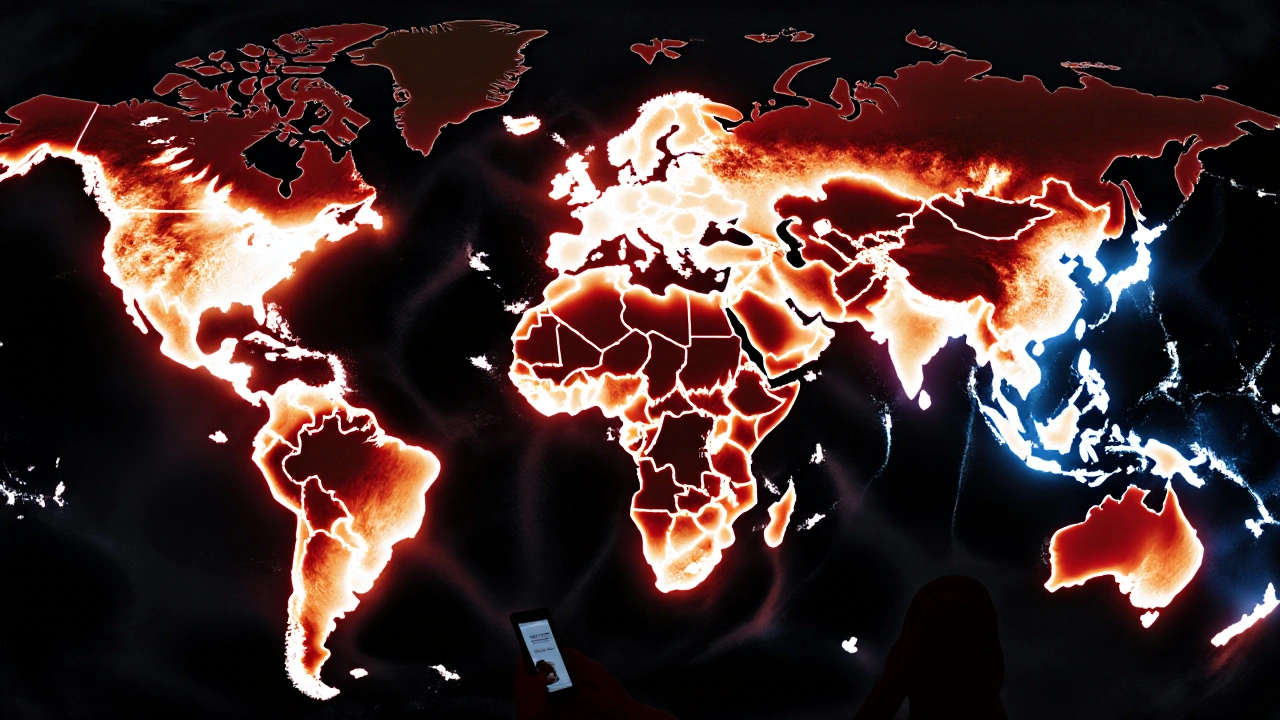
Most Viewed Wikipedia Articles of the Week: What’s Trending and Why
Discover which Wikipedia articles drew the most views last week and why certain topics spike in traffic. Learn how news, culture, and volunteer editors shape what the world is searching for.

How Wikipedia Editors Behave During Major Events
Wikipedia editors rush to update articles during major events, driven by strict sourcing rules and community norms. Their behavior reveals who contributes, why, and how global knowledge stays accurate in real time.
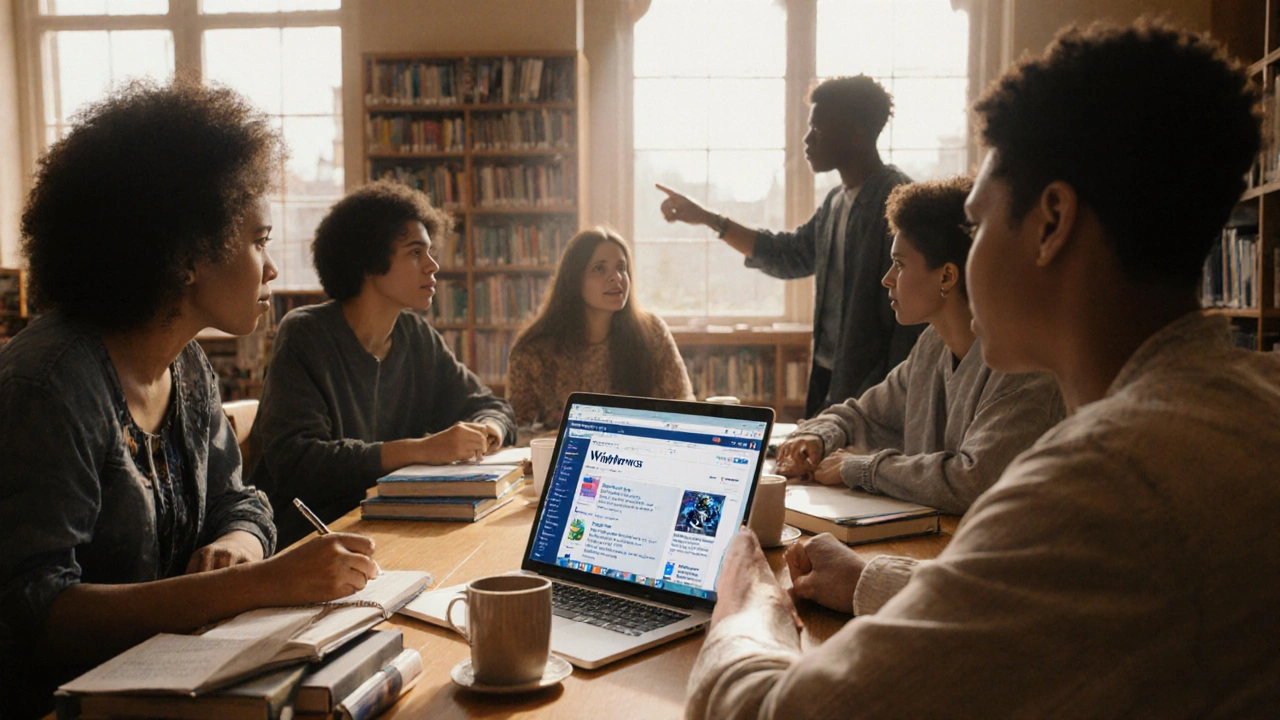
Wikinews Outreach: How to Attract New Volunteer Journalists
Wikinews relies on volunteers to report original news without ads or corporate influence. Learn how to attract and support new citizen journalists who want to make a real impact-no experience needed.
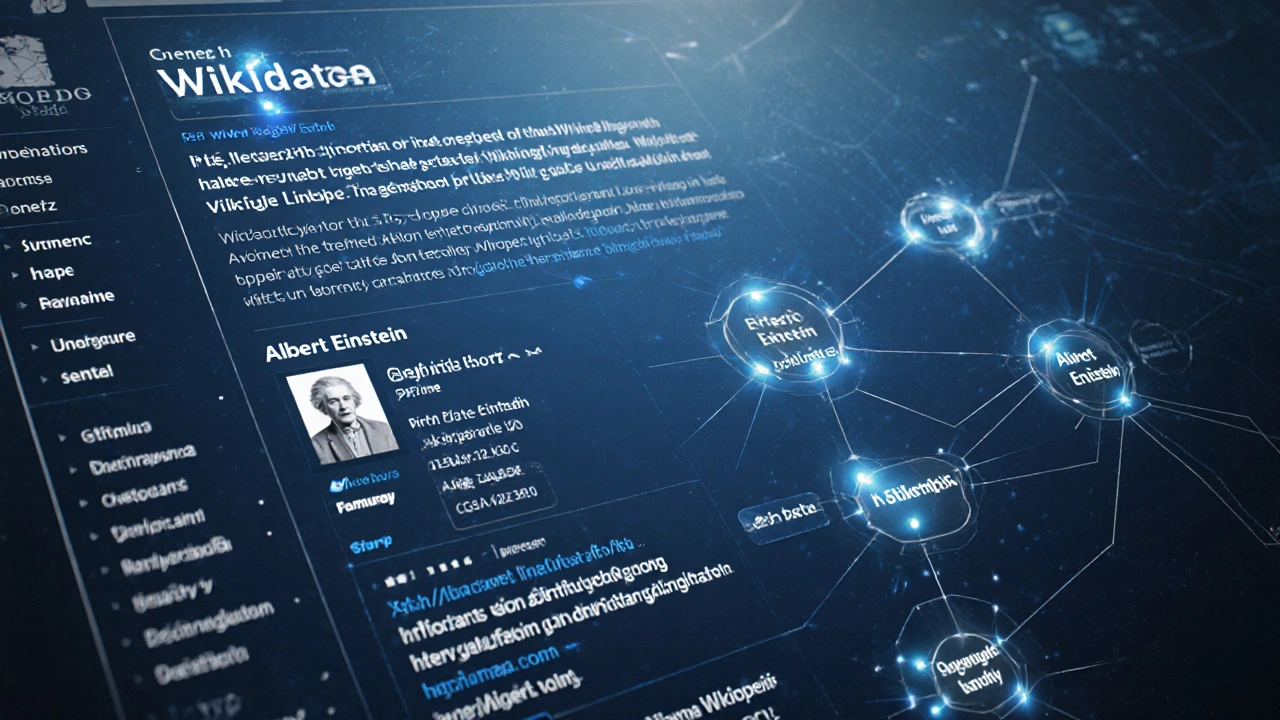
Wikipedia's Sister Projects Explained: Wikidata, Wikisource, and More
Wikipedia’s sister projects-like Wikidata, Wikisource, and Wikimedia Commons-support the encyclopedia with structured data, original texts, and free media. They’re essential for accurate, verifiable knowledge and open to everyone.
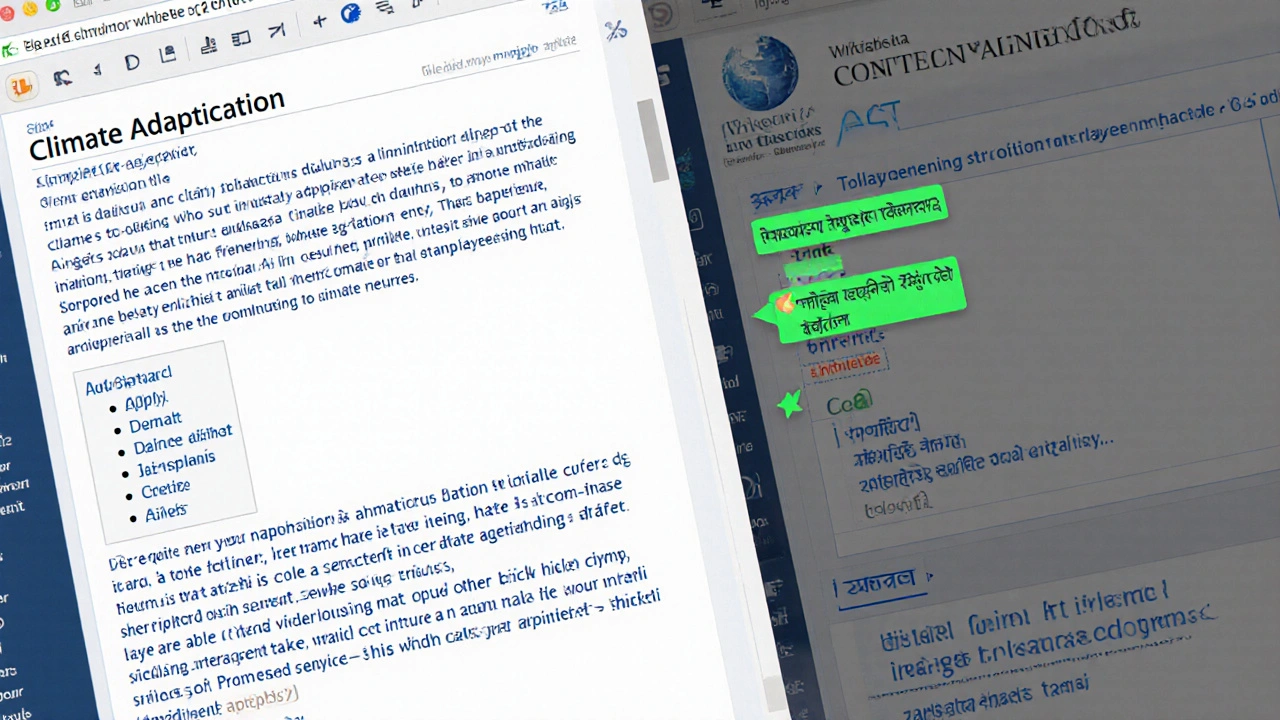
Content Translation Improvements on Wikipedia: What's New for Editors
Wikipedia’s updated translation tools help editors create accurate, high-quality multilingual articles faster. New features include AI suggestions, automatic citations, and image matching - making it easier than ever to share knowledge across languages.
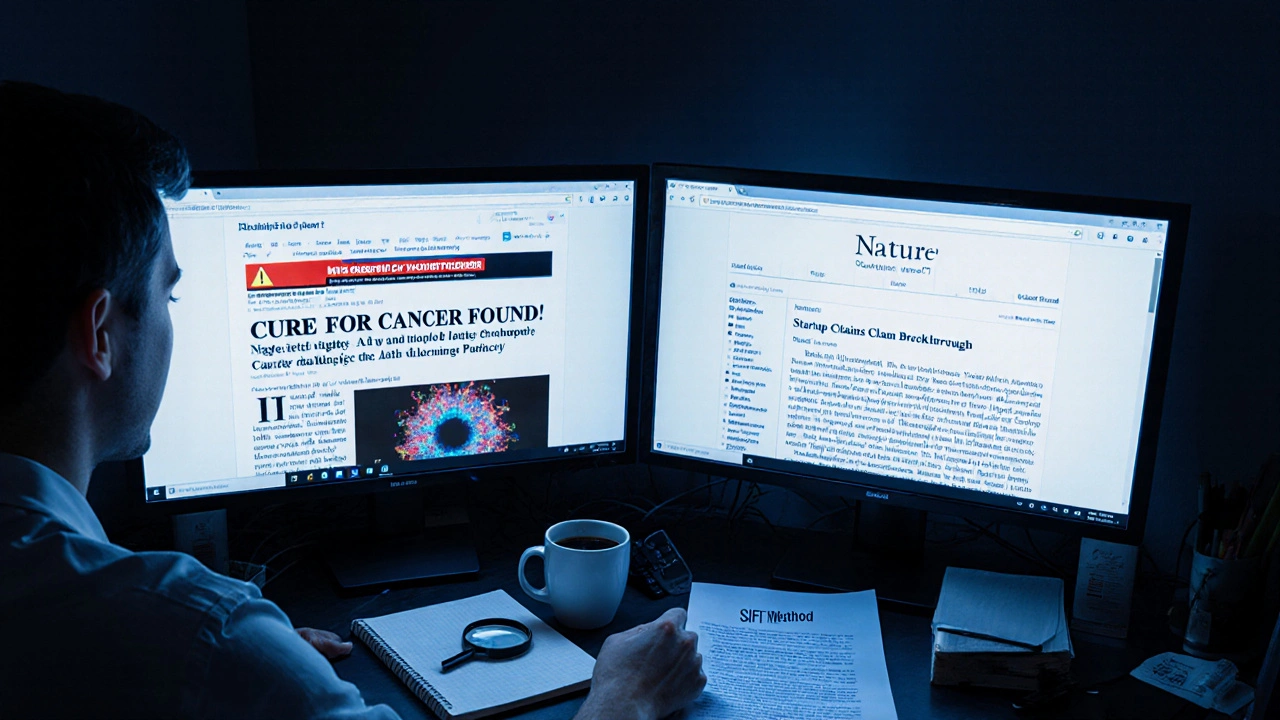
Media Literacy for Wikipedians: How to Engage With Press Coverage Responsibly
Wikipedians must critically evaluate press coverage to ensure accuracy. Learn how to spot unreliable sources, use the SIFT method, and replace weak citations with trustworthy ones to protect the integrity of Wikipedia.
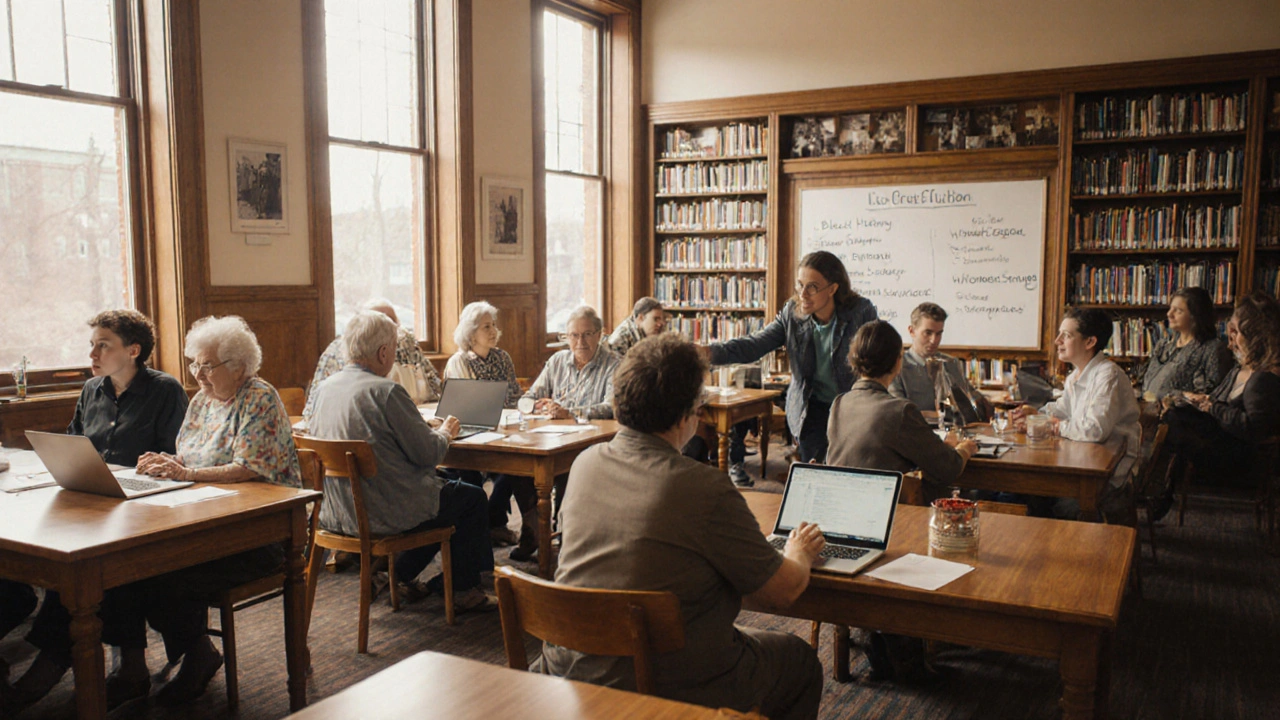
Regional Outreach: How Edit-A-Thons and Training Grow New Wikipedia Editors
Edit-A-Thons and targeted training are breaking down barriers for new Wikipedia editors, especially in underrepresented regions and communities. Learn how simple, local outreach is reshaping who gets to write history.
How Technology Media Covers Wikipedia: What Gets Highlighted and What’s Ignored
Technology media often portrays Wikipedia as unreliable and chaotic, but real data shows it's accurate, widely used, and quietly powerful. This article breaks down what gets covered - and what's ignored.
Understanding Wikipedia's Stub, B-Class, and A-Class Articles
Learn how Wikipedia rates article quality with Stub, B-Class, and A-Class ratings. Understand what each level means, how to spot them, and why they matter for research and editing.